What Is Different About Switzerland for This Trip
Switzerland works differently from what many first-time visitors expect. Here are the transport, trail and accommodation basics you will need for the Bernese Oberland.
- Flag
-

- ISO code
- CH
- Population
- 8,516,543
- Currency
- CHF
- Dial code
- +41
What is Different About Switzerland for This Trip
You have booked a trip to the Bernese Oberland, specifically the Kandertal valley, and the Swiss systems work nothing like the ones you know. The bus does not sell tickets. The trail marking means serious risk. The half-board dinner is already paid for and you eat what you are given. A train carries your car through a mountain. Read this before you arrive. The valley does not offer second chances.
The PostAuto Bus: No Tickets Onboard, No Exceptions
The yellow PostAuto bus is your only public transport in the Kandertal, and the single biggest mistake first-time visitors make is boarding without a ticket. Drivers do not sell them. Not for cash, not by card, not as a favour. You need one of two things: coins for the ticket machine at the stop, or the SBB Mobile app on your phone with a valid ticket already purchased. If you have the Swiss Half-Fare Travelcard, load it into the app before you leave the valley floor. The app works in Kandersteg village and at the lake, but it will not work in the Gasterntal or Griesalp, where there is zero mobile signal. Download your return ticket before you go up.
When the Last Bus Leaves
The timetable is sparse and unforgiving. The last bus from Griesalp or the Gasterntal can leave as early as 16:30, even in July. There is no taxi backup. Miss it, and you walk down a steep, unlit road for two hours or more. Check the SBB timetable before you start your hike, not after. The clock-face timetable means buses depart at the same minutes past each hour, but the gaps between departures can be two or three hours on side routes.
White-Red-White Trail Markings Mean Alpine Terrain
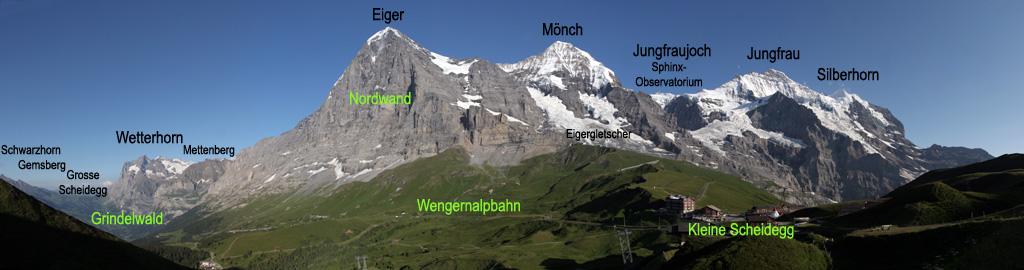
Swiss trail signs use a colour code that North American and British hikers do not expect. A yellow signpost marks a flat walking path. A white-red-white stripe painted on rocks or posts marks a mountain trail. That stripe is not a suggestion. It means the trail requires surefootedness, exposure to drop-offs, and the ability to handle loose scree or snow patches. In the Kandertal, the Gemmi Pass crossing and the route to the Kanderfirn glacier viewpoint are white-red-white. Do not take children or inexperienced hikers on these trails. Do not attempt them in trainers. Do not start after 13:00. Afternoon thunderstorms develop rapidly over high terrain. The temperature drops 0.65°C per 100 metres of altitude gain. At 2,270 metres on the Gemmi, that is a different climate than the valley floor at 1,176 metres.
Half-Board at the Mountain Hut Above the Lake: What it Actually Means
When you book a night at the Berghaus at 1,578 metres, half-board includes dinner and breakfast, and the dinner is a fixed menu, not a choice. You do not order. You sit down and eat what the kitchen serves that night: Älplermagronen with apple sauce or a similar mountain dish. This is normal. Do not expect dietary substitutions unless you notified the hut weeks in advance. Cash is mandatory. No card terminal works above 1,500 metres in this valley. The Berghaus does not accept cards. Bring Swiss francs in small denominations. The same rule applies at the Griesalp hotel and at any mountain hut or farm selling dried air-dried beef from the Gasterntal.
What You Need to Sleep at Altitude
Mountain accommodation in the Kandertal is dormitory-style or simple private rooms. You pack a sleep sheet or a lightweight sleeping bag. Pillows and blankets are provided. Earplugs are essential. The walls are thin and the wind is loud. Book directly with the Berghaus or through the Kandersteg tourism office, not through a third-party site that takes a cut. The guest card issued by your valley accommodation gives free local bus travel and discounts on some cable cars, including the one serving the lake.
Seasonal Closures
Avoid mid-April to mid-June, when most cable cars and huts are closed, and late October to mid-December, when the valley sits in deep shade and nothing operates. July and August are peak season, when all cable cars and mountain huts are open and the high trails are snow-free.
The BLS Car-Carrying Train Through the Lötschberg
If you are driving, the BLS car-carrying train through the Lötschberg tunnel is not a scenic rail journey. It is a functional shuttle that takes your car from Kandersteg to Goppenstein in 25 minutes, saving you a two-hour drive around the Bernese Alps. You drive onto an open flatbed train on a schedule, stay in your car, and drive off at the other end. The car train operates year-round, but check the timetable. Frequency drops in the shoulder season. The south side of the tunnel is the Valais, which appears here only as the far end of the shuttle. Use it to reach the Lötschental for a day trip, or to connect to Leukerbad thermal baths if you have walked the Gemmi and need the bus down from Leukerbad.
Why Three Days is the Minimum and How the Valley Consumes Time
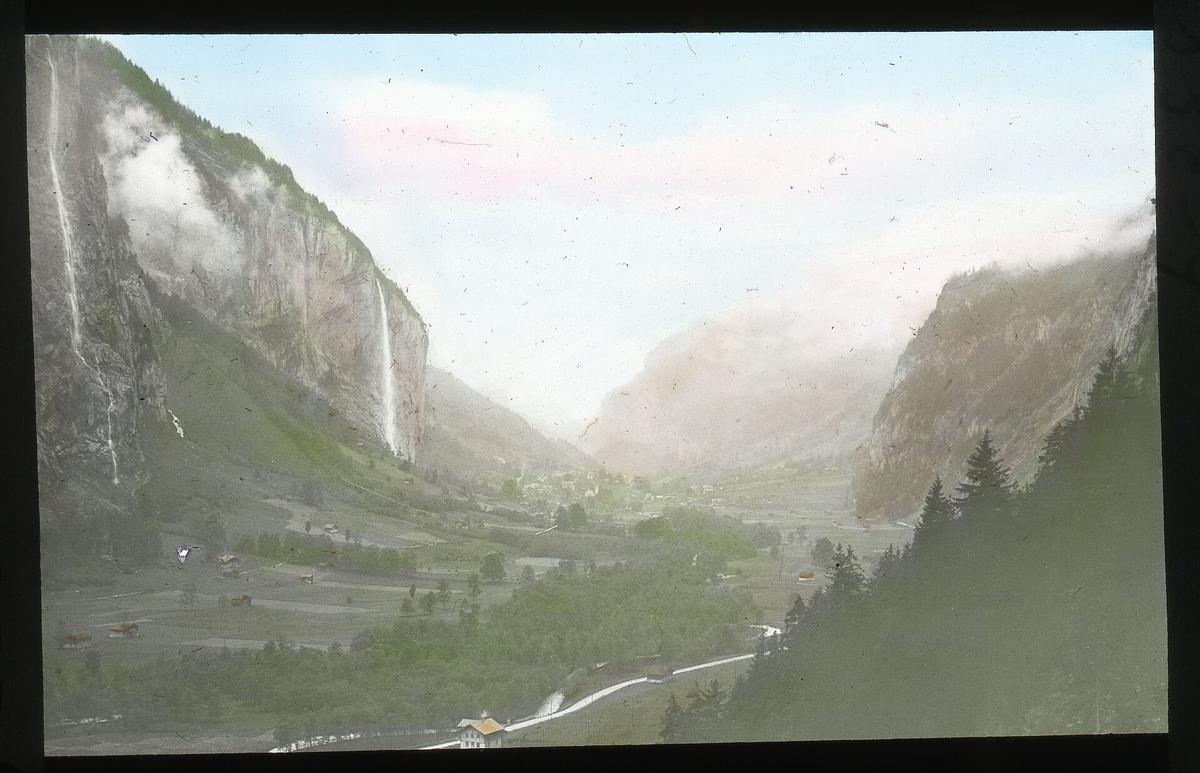
The Kandertal is a deep glacial valley where each side branch is a dead end. You cannot see the lake, Blausee, the Gasterntal and the Gemmi in two days. Each destination consumes a full day because you must return to the valley floor between them. The valley is linear but the side valleys are steep and the bus schedules are sparse. A hike that looks short on a map takes twice as long. The terrain is raw and the altitude slows you. Budget three full days minimum, and build in a weather buffer. If a summer thunderstorm closes the high trails at 14:00, you need a backup day to hit the lake or the Gemmi.
Common Mistakes and How to Avoid Them
Arrive at the cable car before 09:00 or after 14:00. The queue in July and August exceeds 90 minutes from 10:00. Do not assume you can drive into the Gasterntal without a permit. Private cars need a day permit and are banned from 10:00 to 16:00 in peak months. The road is single-lane with a controlled timetable. Do not start the Sunnbüel, Gemmi, Leukerbad crossing expecting to return the same day by the same route. It is a one-way crossing. Returning requires a taxi or bus from Leukerbad via a 2.5-hour loop. Download offline maps and the SBB timetable before you leave Spiez. Swisscom has 4G in Kandersteg village and at the lake but zero signal in the Gasterntal and Griesalp. Sunrise and Salt are patchy even in the valley.
| Destination | Round Trip from Kandersteg | Bus or Cable Car | Key Warning |
|---|---|---|---|
| Oeschinensee | Full day | Cable car + 30 min walk | Queue before 09:00 or after 14:00 |
| Gasterntal | Full day | PostBus (last bus 16:30) | No phone signal, single-lane road |
| Gemmi Pass (via Sunnbüel) | Full day one-way | Cable car to Sunnbüel | One-way crossing, 2.5h return loop |
| Blausee | Half day | PostBus or 30 min walk | Entry fee, manicured grounds |
| Griesalp | Full day | PostBus (steepest route in Europe) | Zero signal, road closed in shoulder season |
Regions & cities in Switzerland


Common Questions
Can I pay for the PostAuto bus with a credit card on board?
No. Drivers do not sell tickets. You need coins for the machine at the stop or a ticket purchased in advance on the SBB Mobile app.
What does the white-red-white trail marking mean?
It marks a mountain trail requiring surefootedness and exposure. It is not a walking path. In the Kandertal, the Gemmi crossing and the Kanderfirn glacier trail carry this grading.
Is half-board at the mountain hut a menu choice?
No. Half-board is a fixed dinner and breakfast. You eat what the kitchen serves, a regional dish like Älplermagronen. Cash only, no cards.
Can I drive my own car into the Gasterntal without a permit?
No. You need a day permit from the Kandersteg municipality. Private vehicles are banned from 10:00 to 16:00 in peak season.
How do I get from Kandersteg to the Valais with my car?
Use the BLS car-carrying train through the Lötschberg tunnel. You drive onto the train at Kandersteg and exit at Goppenstein 25 minutes later. Check the timetable for frequency.