The Oeschinensee: Getting There, Walking the Circuit and Avoiding the Queue
The turquoise Oeschinensee under sheer cliffs is the Kandertal's UNESCO centrepiece—here's how to beat the cable car queue and walk the full circuit safely.
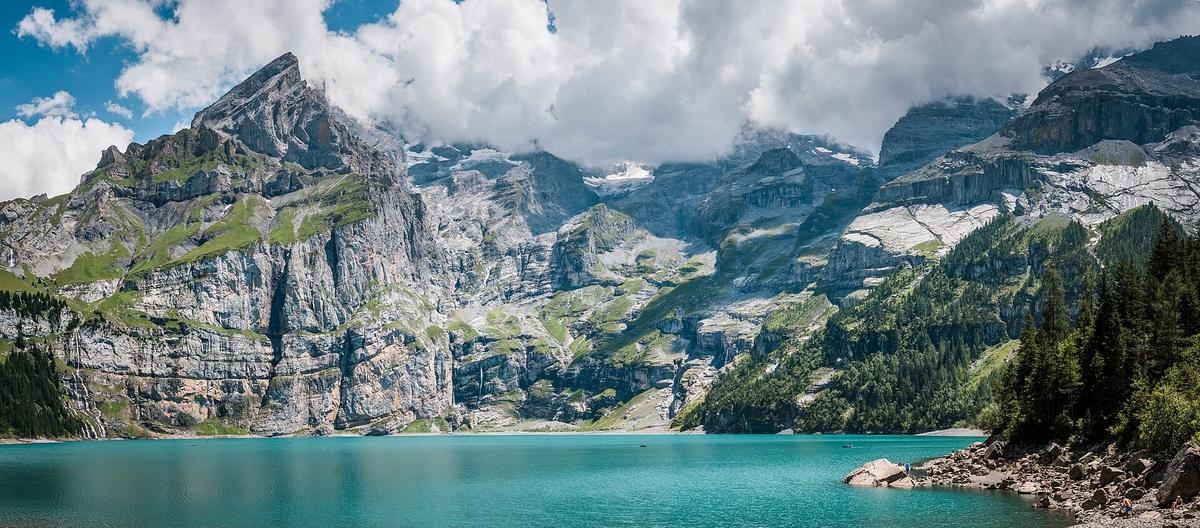

The Oeschinensee: Getting There, Walking the Circuit and Avoiding the Queue
You arrive in Kandersteg with visions of a turquoise alpine lake, and then you find the cable car queue is 90 minutes long, snaking across the car park in the July heat. Here is how you avoid that, get the lake almost to yourself, and complete the full circuit without guessing the way.
First, the timing constraint that governs everything: the Oeschinensee cable car and the high circuit trail on the south shore close from mid April to mid June and again from late October to mid December. Snow covers both. If you are reading this in May, you cannot ride the lift. You can walk up from Kandersteg village, a 400 metre ascent on foot, but the lake circuit will be dangerous or impassable. Plan around the operating window, not through it.
The lift, operated by Oeschinensee AG, runs from 10 May to late October. Hours are 08:30 to 18:00, with last ascent at 17:30 and last descent at 18:00. An adult return costs around CHF 30. A one-way ticket is roughly CHF 22. Children aged 6 to 15 pay about CHF 15 return. Check Oeschinensee AG's website for this year's prices before you travel. The ride takes eight minutes in an eight-person cabin, lifting you from the lower terminal at 1,170 metres to the top at 1,682 metres. From there the lake is still 1.2 kilometres away and 100 metres downhill. You walk 20 to 25 minutes on a broad gravel track to reach the water.
- Elevation: 1,578 m
- Lift return adult (approximate): CHF 30 (Oeschinensee AG, check online)
- Lift operating dates: 10 May to late October (Oeschinensee AG)
- Walking time lift top to lake: 20-25 minutes (1.2 km downhill)
- Lake circuit distance: 4.5 km, approx. 100 m ascent
- Lake circuit difficulty: T3, T4 on the south shore, not a flat stroll
- Berghotel Oeschinensee beds: 60 (dormitory and double rooms, advance booking required)
- Peak queue period: July, August weekends, Swiss school holidays, 11:00-15:00
When the Queue Builds and How to Beat it
Timing Your Arrival
The cable car queue is the single biggest friction point at Oeschinensee, and the research is blunt: in July and August, from 10:00 onward, the wait can exceed 90 minutes. Swiss school holidays amplify it. Weekend crowds are worse than weekdays. The effective window is narrow.
Arrive at the lower terminal before 09:00. The first cabin departs at 08:30. If you are in the queue at 08:15 you are on the second or third lift and at the lake by 09:00, before the day trippers from Bern and Zurich arrive. Alternatively, arrive after 14:00. The queue shrinks as the afternoon wears on, and you still have until 17:30 to ride up and until 18:00 to ride down. You lose the midday light but gain the lake nearly to yourself.
Midweek is better. Tuesday through Thursday in July and August see lighter traffic. The worst days are Saturday and Sunday, and the absolute peak falls on Swiss federal holidays. Check those against the local calendar before booking.
Walking Up Instead
If you cannot face the queue even at 08:30, walk up from Kandersteg station. The footpath takes 1 hour 30 minutes and climbs roughly 400 metres. It starts behind the village and follows the Öschibach through forest and meadow. The trail is well marked and free. You skip the lift ticket entirely. The trade-off is the ascent, which is sustained but not technical. Families with young children should take the cable car. Fit hikers should consider the walk for the solitude and the minor savings.
Walking the Full Circuit: What it Actually Demands
The Easy Half and the Exposed Half
The lake circuit measures 4.5 kilometres and the official walking time is 1 hour 30 minutes to 2 hours. Budget 2.5 hours if you stop for photographs, let children set the pace, or sit on the south shore for a few minutes. The total ascent around the loop is only about 100 metres, but that number is misleading: the circuit is not a flat lakeside path. The west and north shores are gentle. The south shore is not.
On the far side, under the sheer cliffs of the Blüemlisalp massif, the trail narrows to an exposed alpine path graded T3 to T4 on the SAC mountain hiking scale. Sections are secured with chains. Rockfall hazard is real. The ground is loose scree in places, and the drop to the water is immediate. This is not a walk for sandals, for a stroller, or for anyone who freezes on exposure. If you are hiking with children under eight, turn around at the eastern end of the lake and return the way you came. The north shore path alone is a rewarding 2-kilometre out-and-back with no risk.
For everyone else, the full loop is the point of being here. The reward is a view up to the Blüemlisalphorn at 3,661 metres, the Wyssi Frau at 3,650 metres, and the Morgenhorn at 3,623 metres. The lake sits at 1,578 metres. Its surface area is 1.1 square kilometres. Its maximum depth is 56 metres. The water is oligotrophic, fed by glaciers and snowfields on the Blüemlisalp range, and it emerges as the subterranean Öschibach that surfaces in Kandersteg village.
What to Bring and What to Leave
Boots with ankle support are mandatory for the south shore. Walking poles help on the loose sections. Carry 1 litre of water per person; there is no tap on the far side. Sun protection is necessary even on cool days because the reflection off the lake is fierce. Leave the drone at home. The area is within the Jungfrau-Aletsch UNESCO World Heritage site, inscribed in 2001 and extended in 2007, and drone use is restricted.
Swimming is permitted. The average summer water temperature is 12 to 16 degrees Celsius. In August it can reach 18 degrees. That is very cold. A short dip is invigorating. A long swim is a mistake without a wetsuit. The best entry point is the gravel beach near the Berghotel on the western shore.
Where to Eat and Where to Sleep at the Lake
The Berghotel and the Berghaus
The Berghotel Oeschinensee sits on the western shore at 1,594 metres, a few minutes' walk from the lake. It serves Älplermagronen with apple sauce, the classic Swiss alpine pasta dish. The kitchen operates from late May to mid October. The hotel has 60 beds in dormitory and double rooms. Advance booking is required. Sleeping here means you can walk the circuit at dusk and again at dawn, long after the day trippers have ridden down. The dormitory is basic. The views are not.
If the Berghotel is full or beyond your budget, the Berghaus Oeschinensee is a separate operation at 1,678 metres, closer to the lift's top terminal. It also serves Älplermagronen and offers dormitory beds. Book ahead in either case; summer nights sell out weeks in advance.
Do not count on card payment above 1,500 metres. The Berghotel and the Berghaus both prefer cash. The nearest ATM is in Kandersteg village, at the railway station or the supermarket. Withdraw before you ride up.
The Quiet Alternative: Ueschinen Valley
Opposite the Oeschinensee, across the Kandertal valley floor, the Ueschinen valley offers a silent alternative. There are no cable cars, no mountain inns, no summer toboggan run. There is a trail that climbs through forest and alp to a high basin with views of the same Blüemlisalp massif from a different angle. The path is less travelled. The facilities are zero. If the queue at the Oeschinensee lift is already 90 minutes long when you arrive, redirect here. The walk takes a full afternoon. Bring food, water, and offline maps. There is no phone signal once you leave the valley floor.
This is not a substitute for the Oeschinensee experience. It is a complement for return visitors or for travellers who want the Kandertal's silence rather than its most famous landmark. The research lists it specifically: Ueschinen valley, quiet side valley opposite Oeschinensee, no facilities. Take it at face value.
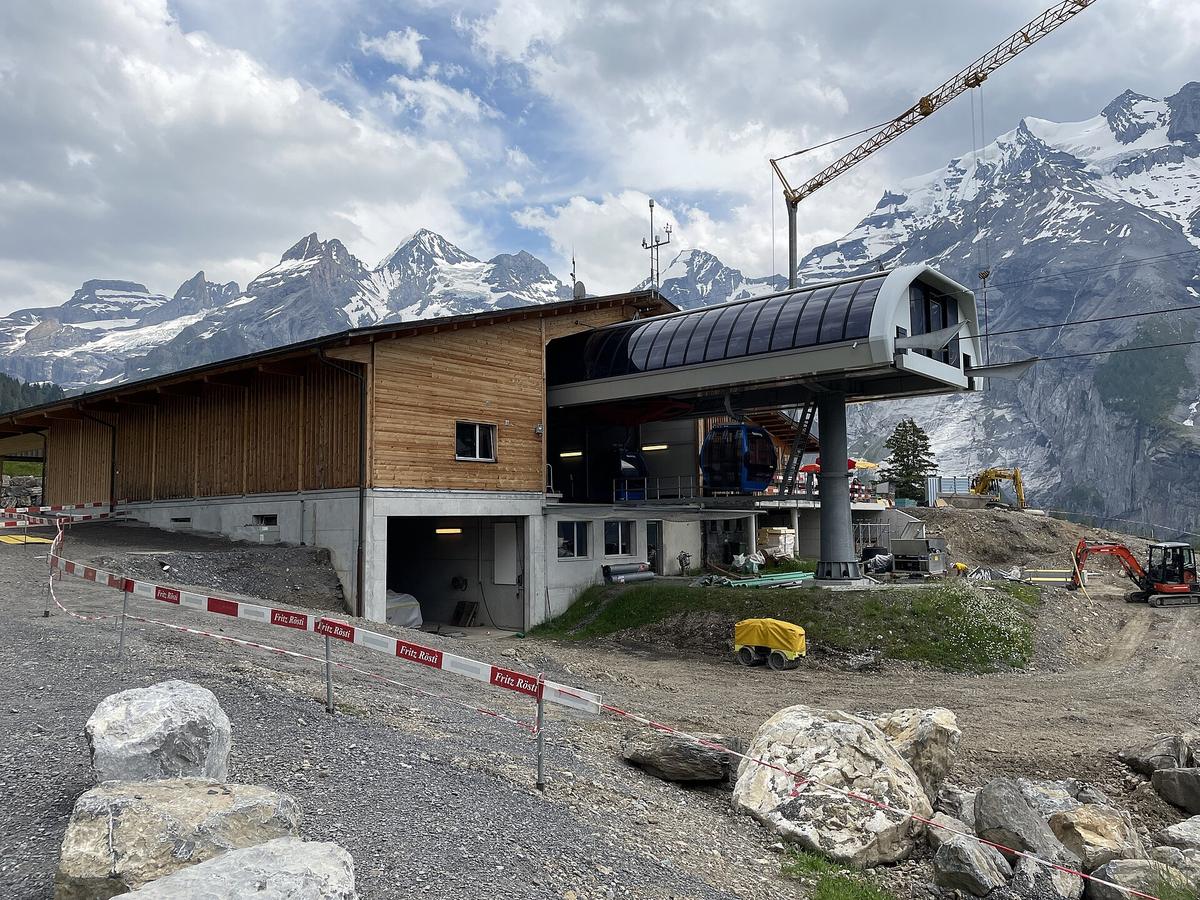

The Summer Toboggan Run and Other Distractions at the Top
The lift's top terminal also hosts a 750-metre summer toboggan run with a 150-metre vertical drop. It operates from 10 May to late October, weather permitting. A single ride costs a few francs. It is a 30-second thrill, not a reason to visit. Do not plan your morning around it. If the queue at the toboggan run is long, skip it and walk down to the lake.
The top terminal has a small kiosk and toilets. The lake has none. Use the facilities before you descend the 1.2 kilometres to the water.
Getting to Kandersteg and Moving Around the Valley
Trains from the Airport
Fly into Bern or Zurich. From Bern, take the train to Spiez, change for the Lötschberg line to Kandersteg station. The journey is 1 hour 5 minutes. A full-fare ticket costs in the region of CHF 35 to 40. From Zurich, the trip via Bern or Spiez takes 2 hours 15 minutes and costs roughly CHF 75 to 80. No airport bus serves the valley directly. Check sbb.ch for exact fares before you travel.
PostBus and the Last-Ride Trap
Once in Kandersteg, PostBus is the only public transport. You need coins or the SBB Mobile app. Drivers do not sell tickets on board. The single biggest trip-up is that the last bus from Griesalp or Gasterntal can leave as early as 16:30, even in summer, and there is no taxi backup. If you miss it, you are walking or hitchhiking. Check the timetable at the station before you set out.
The valley is linear but the side branches are dead ends. Each one consumes a full day. You cannot see the Oeschinensee, Blausee, Gasterntal and the Gemmi in two days. The research is explicit: the valley is a collection of small, separated pockets, not one continuous resort. Choose one objective per day and commit.
What This Page Does Not Cover
Grindelwald, Lauterbrunnen, the Jungfraujoch, Adelboden and Lenk are separate destinations. They appear here only to place the Kandertal in context. The Valais beyond the Lötschberg is the far end of the car train, not part of this itinerary. Swiss entry rules and visas are not covered.
The Honest Caveat
The Oeschinensee is the most accessible high alpine lake in the Kandertal, but it is not a casual afternoon. The queue, the exposure on the south shore, the early closing time, the cash-only huts, and the weather that can close the trail in an hour all demand planning. If you arrive at 11:00 in August without a reservation and with sandals and a credit card, you will have a bad day. If you arrive at 08:15 with boots, cash, water, and a booked bed at the Berghotel, you will have one of the best days in the Bernese Oberland.
Common Questions
Can I visit the Oeschinensee in May or November?
Not by cable car, and not safely on foot for the full circuit. The lift closes from mid April to mid June and late October to mid December. In May the south shore trail is snow-covered or dangerously soft. You can walk up from Kandersteg village in good conditions, but check the local avalanche bulletin before setting out.
How much does the Oeschinensee lift cost?
An adult return is around CHF 30. A one-way ticket is roughly CHF 22. Children aged 6 to 15 pay about CHF 15 return. Prices are set by Oeschinensee AG and change annually. Check their website for the current figures. Buy your ticket at the lower terminal; online booking is not available.
Is the lake circuit suitable for young children?
No, not the full circuit. The south shore is exposed, graded T3 to T4, with chain-secured sections and rockfall hazard. Children under eight should walk the north shore only, a 2-kilometre out-and-back on gentle terrain.
Can I swim in the Oeschinensee?
Yes. Swimming is permitted. The water is very cold, 12 to 16 degrees Celsius in summer, reaching 18 degrees in August. The best entry point is the gravel beach near the Berghotel on the western shore.
Is there phone signal at the Oeschinensee?
Swisscom has 4G coverage in the lake basin and at the Berghotel. Gasterntal and Griesalp have zero signal. Sunrise and Salt networks are patchy even in the valley. Download offline maps and the SBB timetable before you leave Spiez.
Can I stay overnight at the Oeschinensee?
Yes, at the Berghotel Oeschinensee or the Berghaus Oeschinensee. Both require advance booking. The Berghotel has 60 beds in dormitory and double rooms. The Berghaus is closer to the lift's top terminal. Cash is preferred at both.
What is the alternative if the Oeschinensee is too crowded?
Walk the Ueschinen valley on the opposite side of the Kandertal. There are no facilities, no cable car, and almost no other visitors. The trail climbs through forest and alp to a high basin with views of the Blüemlisalp massif. Bring food, water, and offline maps.
Read next
-
 Gasterntal
The Gasterntal is a dead-end glacial valley behind Kandersteg with a controlled single-lane road, no phone signal, and a historic timber hotel. Here’s how to get in.
Gasterntal
The Gasterntal is a dead-end glacial valley behind Kandersteg with a controlled single-lane road, no phone signal, and a historic timber hotel. Here’s how to get in.
-
 Sunnbüel und Gemmipass
The Sunnbüel cable car lifts you from Kandersteg to the start of the Gemmi Pass trail to Leukerbad. The walk is one-way, and the return loop takes planning.
Sunnbüel und Gemmipass
The Sunnbüel cable car lifts you from Kandersteg to the start of the Gemmi Pass trail to Leukerbad. The walk is one-way, and the return loop takes planning.
-
 Allmenalp
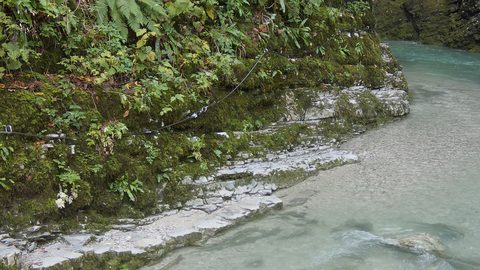
The Allmenalp cable car above Kandersteg serves a via ferrata, a climbing crag, and a paraglider launch. It’s not a general viewpoint, and it shuts in the shoulder seasons.
Allmenalp
The Allmenalp cable car above Kandersteg serves a via ferrata, a climbing crag, and a paraglider launch. It’s not a general viewpoint, and it shuts in the shoulder seasons.
-
 Kandertal Hotels and Mountain Inns Worth Booking
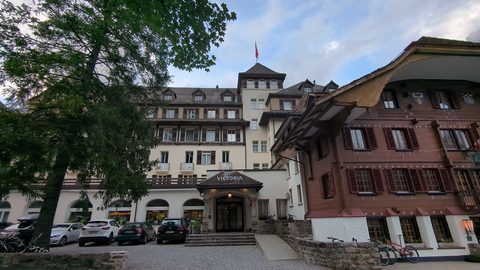
From the timber rooms of the Waldhaus in the Gasterntal to a dormitory bed at the Oeschinensee mountain hut, here are the Kandertal's real hotel options.
Kandertal Hotels and Mountain Inns Worth Booking
From the timber rooms of the Waldhaus in the Gasterntal to a dormitory bed at the Oeschinensee mountain hut, here are the Kandertal's real hotel options.
-
 Where to Stay in the Kandertal Valley for Hiking and Quiet
Compare the three places to sleep in the Kandertal—Kandersteg village, the Kiental farms, and the high hamlet of Griesalp—and find the right base for your hiking trip.
Where to Stay in the Kandertal Valley for Hiking and Quiet
Compare the three places to sleep in the Kandertal—Kandersteg village, the Kiental farms, and the high hamlet of Griesalp—and find the right base for your hiking trip.
-
 Things to Do in the Kandertal Summer Hiking and Winter Ski Touring
What there is to do in the Kandertal, split between summer hiking and winter ski touring, with the dead shoulder seasons clearly marked so you do not arrive to closed lifts.
Things to Do in the Kandertal Summer Hiking and Winter Ski Touring
What there is to do in the Kandertal, split between summer hiking and winter ski touring, with the dead shoulder seasons clearly marked so you do not arrive to closed lifts.
-
 Best Time to Visit the Kandertal and When to Stay Away
The Kandertal has two real seasons—high summer hiking and late-winter ski touring—and two long shoulder closures when the cable cars and huts simply shut.
Best Time to Visit the Kandertal and When to Stay Away
The Kandertal has two real seasons—high summer hiking and late-winter ski touring—and two long shoulder closures when the cable cars and huts simply shut.
-
 Getting Around the Kandertal Without a Car
The Kandertal runs on PostBuses with early last departures and no taxi backup. Learn the Gasterntal road rules, the SBB app, and why offline maps matter.
Getting Around the Kandertal Without a Car
The Kandertal runs on PostBuses with early last departures and no taxi backup. Learn the Gasterntal road rules, the SBB app, and why offline maps matter.
-
 Kandertal Itineraries for Two Days Four Days or a Week
Plan your Kandertal days around the reality that each side valley takes a full day and you cannot shortcut between them—here are itineraries for two, four and seven days.
Kandertal Itineraries for Two Days Four Days or a Week
Plan your Kandertal days around the reality that each side valley takes a full day and you cannot shortcut between them—here are itineraries for two, four and seven days.