Kandersteg as the Base for Oeschinensee, Sunnbüel and Gasterntal
Kandersteg is the head of the Kandertal and the launch point for Oeschinensee, the Gemmi Pass and the Gasterntal. Here is what you reach from it.
- Flag
-

- ISO code
- CH
- Population
- 1,300
- Currency
- CHF
- Timezone
- Europe/Zurich
Kandersteg Village at the Head of the Valley and What You Reach from it
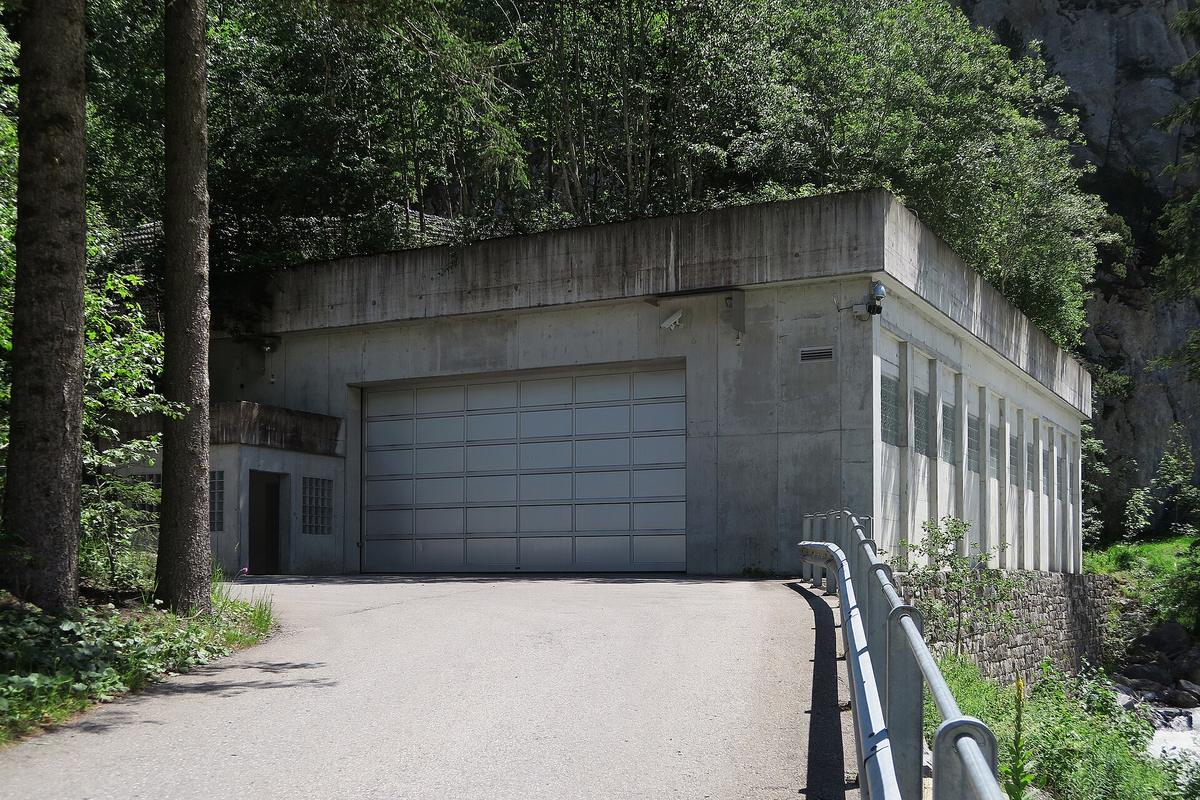
The cable cars close for weeks at a time. The village sits in deep shade through the dead months. The main street is a single road with a railway station and two supermarkets, not a car‑free cobbled lane. That is exactly why Kandersteg works as a base. You are not here for the village itself. You are here because from this one point you can reach three entirely separate high side valleys, each a dead end with its own access system, each demanding a full day. The lake basin of Oeschinensee via an eight‑minute gondola. The Sunnbüel terrace and the Gemmi crossing via a second cable car. The raw Gasterntal via a single‑lane toll road with a permit system. All three launch from the valley floor at 1,170 metres, and none of them connect to each other without returning to Kandersteg first. That arrangement forces you to choose one per day, which is the reason the village exists as a hub rather than a destination.
The seasonal rhythm dictates everything. The lake gondola operates mid‑May to late October and late December to early March. The Sunnbüel cable car runs late May to late October and late December to late March. From mid‑April to mid‑June both are closed, and the high trails are still snow‑covered or dangerously soft. From late October to mid‑December nothing operates and the valley sits in deep shade. If you arrive in those windows you cannot reach the lake or the terrace by lift, and the walking routes up are long, wet and often unsafe. Book for July and August when all cable cars and mountain huts are open and the high trails are snow‑free, or for late February to early March if you are coming for ski touring on spring snow.
.jpg)
Three Side Valleys, Three Separate Days
Oeschinensee: The Turquoise Basin
Oeschinensee is the reason most people come. The gondola base station sits at village level, 1,170 metres, and lifts you to 1,682 metres in eight minutes. From the top station walk twenty minutes down to the lake at 1,578 metres, a turquoise basin under sheer cliffs that is UNESCO listed. The queue at the gondola in July and August can exceed ninety minutes from 10:00. Arrive before 09:00 or after 14:00. At the lake the Berghotel serves Älplermagronen with apple sauce at 1,678 metres. Walk the full shoreline circuit in about two hours on a well‑maintained path. The lake sits below the cliffs, so the afternoon light is harsh and the water flattens out. Go early, eat lunch, and be back down before the last queue forms. Do not try to combine the lake with anything else that day. The walk up from the lake to the glacier viewpoint behind it adds another two hours each way, and the gondola closes at a fixed time that is earlier than you expect.
Sunnbüel and the Gemmi Crossing
Sunnbüel is a different world. The cable car lifts you from 1,200 metres to 1,934 metres in eight minutes, depositing you on an east‑facing terrace with views straight into the Doldenhorn massif. From Sunnbüel walk to the Gemmi Pass in about two hours thirty, crossing onto the Daubensee, a bleak wind‑scoured lake at 2,270 metres. The trail is a historic mule track and it is a one‑way crossing. Returning the same day requires a taxi or bus from Leukerbad on the Valais side via a 2.5‑hour loop. The Berghaus Sunnbüel serves rösti with melted Raclette du Valais. Its terrace is the best place on the valley for a late lunch before you commit to the crossing or head back down. If you want to sleep above the treeline, the mountain huts on the Gemmi side take walk‑ins but you need to book ahead in July and August.
Gasterntal: The Raw Valley
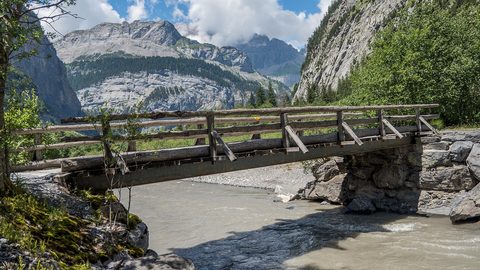
Gasterntal is the rawest of the three. Access is by a 3.5‑kilometre single‑lane toll road from the southern edge of Kandersteg. Private cars need a day permit; the municipality of Kandersteg sets the fee, which runs in the range of CHF 15. In peak months private cars are banned from 10:00 to 16:00. Drive very early or very late, or walk. The road ends at Selden, 1,537 metres, where the Hotel Gasterntal stands isolated. Beyond Selden the valley continues about six kilometres on foot to the Kanderfirn glacier viewpoint. There is no phone signal anywhere in the valley. Download offline maps and the SBB timetable before you leave the village. The wobbly wire suspension bridge over the glacial river is worth the walk from Selden, but the full hike to the glacier is a hard day with no facilities after the hotel. Dried air‑dried beef sold from the farm at Heimritz is the only food source on the valley floor. Carry water and cash. No card terminal works above 1,500 metres.
Getting In, Getting Out, Getting Around
Trains and the Car Shuttle
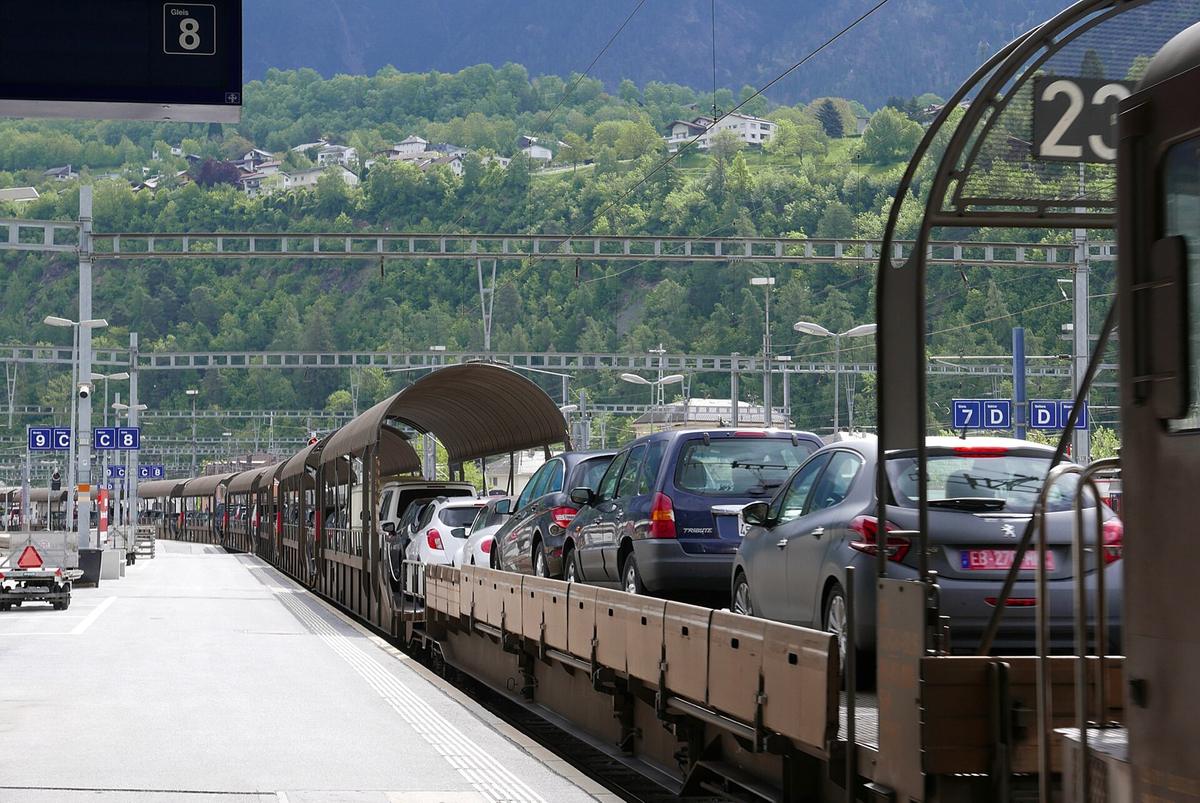
The railway station is the arrival point. From Bern the BLS RE takes 1 hour 5 via Spiez; a full‑fare ticket runs roughly CHF 35 to 40, set by BLS. From Zürich you need 2 hours 15 via Bern or Spiez, roughly CHF 75 to 80. The car shuttle train from Kandersteg station to Goppenstein takes fifteen minutes and runs every half‑hour in daytime, operated by BLS. That is how you reach the Lötschental or the Valais without driving over the pass. Do not expect an airport bus. No direct service links Bern Airport or Zürich Airport to the valley.
PostBus and the Last‑Bus Trap
PostBus is the only public transport once you are here. Drivers do not sell tickets on board. You need coins or the SBB Mobile app. The single biggest trip‑up is that the last bus from Griesalp or Gasterntal can leave as early as 16:30, even in summer, and there is no taxi backup. Griesalp itself sits at 1,408 metres at the end of the steepest postbus route in Switzerland, a 28% gradient road from Reichenbach im Kandertal. Miss that bus and you are walking down a road with no shoulder and no streetlights. Plan your return before you start the outward journey. Cash is mandatory at many alp huts and the Griesalp hotel. Swisscom has 4G in Kandersteg village and at Oeschinensee. Gasterntal and Griesalp have zero signal. Sunrise and Salt networks are patchy even in the valley.
Parking, Blausee and a Reality Check
Parking is available at the Bahnhof, Sunnbüel and Oeschinen lots; the municipality sets the day rate, which falls in a band of CHF 5 to 15 depending on location and season. Blausee is a separate stop between Kandergrund and Kandersteg, a small paid‑entry lake with a trout farm and a restaurant. Blausee AG sets the adult entry fee around CHF 12. Opening hours are 09:00 to 17:00 in winter, 09:00 to 21:00 in summer. It is manicured and popular with families who want a short stop. It is not a hiking destination. Budget forty‑five minutes, pay at the gate, and do not confuse it with Oeschinensee.
What to Do When the Weather Closes in
The valley is deep and the rock walls trap cloud. Weather moves in fast and a day that starts clear can be socked in by 11:00. Budget three full days minimum because you need a buffer to hit at least one high‑altitude objective. If you lose a day to low cloud, you have the Allmenalp cable car as a short option: very small four‑person cabins that lift you from 1,170 metres to 1,724 metres, operating late May to late October. At the top there is a via ferrata that requires a harness, vertical iron ladder sections, and a steep meadow with views over the village. It is not a full day out. It is a two‑hour activity that gets you above the cloud line without committing to a long walk.
The Kandersteg International Scout Centre occupies 17 hectares in the village and accommodates roughly 1,200 beds, with about 60 permanent staff and 100 to 120 seasonal volunteers each summer, figures set by the centre itself. It was founded in 1923. The scout centre dominates the village in July, so book accommodation early. The Reformierte Kirche Kandersteg is Swiss Reformed, a whitewashed building from the 1920s rebuild. The Ruedihus is an 18th‑century wooden farmhouse now run as a small hotel. The arven forest above Kandersteg is a rare stand of ancient stone pine, worth a short walk if you need a quiet afternoon. Cross‑country skiing in winter covers 45 kilometres of trails, classic and skating, operated by Loipenverein Kandertal. Ice‑climbing venues include the frozen waterfalls at the lake and the Kanderfirn icefall in Gasterntal, season January to early March. The sledging run from the middle station of the lake gondola to Kandersteg is 3.5 kilometres with 500 metres of vertical drop, operating late December to early March, snow dependent.

| Destination | Access Type | Elevation Gain | Journey Time | Operating Periods |
|---|---|---|---|---|
| Oeschinensee | Gondola from Kandersteg | 512 m to 1,682 m | 8 min | Mid May to late Oct; late Dec to early Mar |
| Sunnbüel | Cable car from Kandersteg | 734 m to 1,934 m | 8 min | Late May to late Oct; late Dec to late Mar |
| Gasterntal | Toll road or walking from Kandersteg | 367 m to Selden at 1,537 m | 15 min drive or 75 min walk | Road open daytime year round; permit required, banned 10:00 16:00 in peak months |
| Allmenalp | Small cable car from Kandersteg | 554 m to 1,724 m | 6 min | Late May to late Oct |
Who This Valley Suits and Who Should Skip it
Kandersteg works for hikers who want high alpine trails without the Jungfrau crowds. It works for families with young children who need manageable lake walks and cable cars. It works for serious ski tourers in late February to early March. It works for people who specifically want to sleep in a mountain hut above the treeline. It works for travellers seeking silence rather than a scene, where the drama is in the rock walls and waterfalls, not in après‑ski or shopping. The scale is intimate but the terrain is serious. Visitors underestimate how long it takes to walk anywhere because the side valleys are steep and the bus schedules are sparse.
The valley does not suit nightlife seekers or luxury shoppers. It does not suit anyone who wants a car‑free village centre with cobbled lanes. It does not suit visitors who expect a large interconnected ski circus with dozens of lifts. The valley is a collection of small separated pockets, not one continuous resort. The common mistake is assuming you can see the lake, Blausee, Gasterntal and the Gemmi in two days. The valley is linear but the side branches are dead ends. Each one consumes a full day, and you cannot shortcut between them without returning to the valley floor. If that sounds like a constraint, choose another base. If it sounds like a structure you can work with, Kandersteg is exactly the launch point you need.
More destinations in Kandertal
What to See in Kandersteg
-
 Allmenalp
The Allmenalp cable car above Kandersteg serves a via ferrata, a climbing crag, and a paraglider launch. It’s not a general viewpoint, and it shuts in the shoulder seasons.
Allmenalp
The Allmenalp cable car above Kandersteg serves a via ferrata, a climbing crag, and a paraglider launch. It’s not a general viewpoint, and it shuts in the shoulder seasons.
-
 Gasterntal
The Gasterntal is a dead-end glacial valley behind Kandersteg with a controlled single-lane road, no phone signal, and a historic timber hotel. Here’s how to get in.
Gasterntal
The Gasterntal is a dead-end glacial valley behind Kandersteg with a controlled single-lane road, no phone signal, and a historic timber hotel. Here’s how to get in.
-
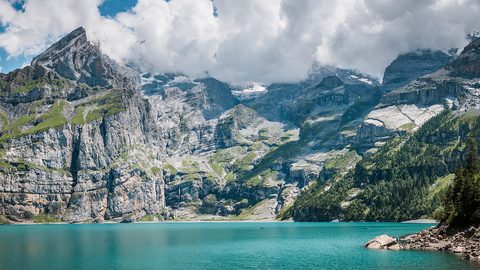 Oeschinensee
The turquoise Oeschinensee under sheer cliffs is the Kandertal's UNESCO centrepiece—here's how to beat the cable car queue and walk the full circuit safely.
Oeschinensee
The turquoise Oeschinensee under sheer cliffs is the Kandertal's UNESCO centrepiece—here's how to beat the cable car queue and walk the full circuit safely.
-
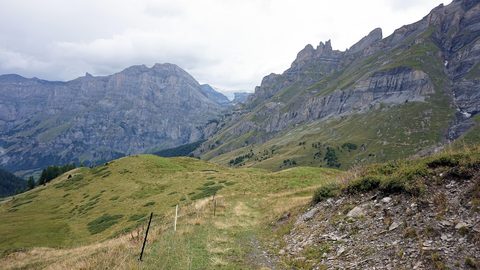 Sunnbüel und Gemmipass
The Sunnbüel cable car lifts you from Kandersteg to the start of the Gemmi Pass trail to Leukerbad. The walk is one-way, and the return loop takes planning.
Sunnbüel und Gemmipass
The Sunnbüel cable car lifts you from Kandersteg to the start of the Gemmi Pass trail to Leukerbad. The walk is one-way, and the return loop takes planning.
More on Kandersteg
-
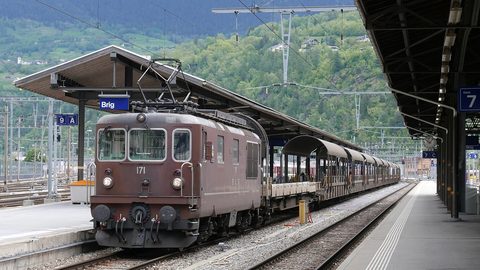 Lötschberg Car Train Kandersteg: Drive On, Sit Still, Arrive in Valais
The BLS Lötschberg car shuttle loads your vehicle onto a train at Kandersteg and delivers you to Goppenstein in the Valais 15 minutes later. No need to drive the long way round.
Lötschberg Car Train Kandersteg: Drive On, Sit Still, Arrive in Valais
The BLS Lötschberg car shuttle loads your vehicle onto a train at Kandersteg and delivers you to Goppenstein in the Valais 15 minutes later. No need to drive the long way round.
-
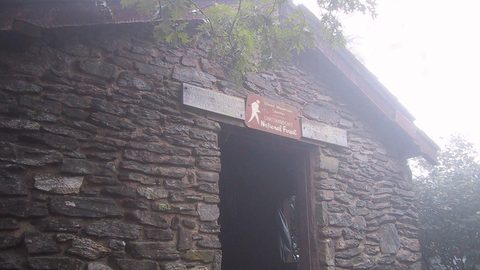 Walking in the Kandertal: From a Lakeside Hour to a Hut-to-Hut Crossing
Kandertal hiking routes range from a flat hour around a lake to a full hut-to-hut crossing of the Gemmi Pass. Every walk here comes with a Swiss trail grade, time, and ascent.
Walking in the Kandertal: From a Lakeside Hour to a Hut-to-Hut Crossing
Kandertal hiking routes range from a flat hour around a lake to a full hut-to-hut crossing of the Gemmi Pass. Every walk here comes with a Swiss trail grade, time, and ascent.
-
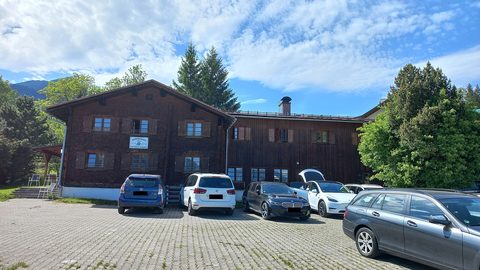 Mountain Inns and Alpine Club Huts in the Kandertal How They Differ
A Berghaus, an SAC Alpine Club hut and an Alpwirtschaft are not the same thing. Here is how Kandertal mountain accommodation works, what half board means and how to book each type.
Mountain Inns and Alpine Club Huts in the Kandertal How They Differ
A Berghaus, an SAC Alpine Club hut and an Alpwirtschaft are not the same thing. Here is how Kandertal mountain accommodation works, what half board means and how to book each type.
-
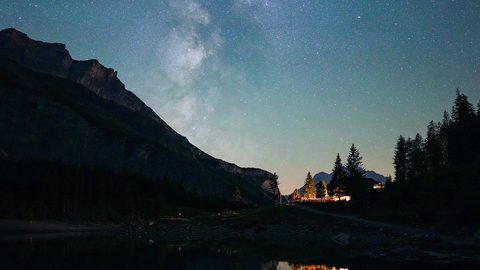 Oeschinensee or Blausee Two Kandertal Lakes With Nothing in Common
Oeschinensee is a high-alpine UNESCO lake reached by cable car with long summer queues. Blausee is a manicured forest lake with a CHF 12 entry fee and a trout restaurant. They are not interchangeable.
Oeschinensee or Blausee Two Kandertal Lakes With Nothing in Common
Oeschinensee is a high-alpine UNESCO lake reached by cable car with long summer queues. Blausee is a manicured forest lake with a CHF 12 entry fee and a trout restaurant. They are not interchangeable.
-
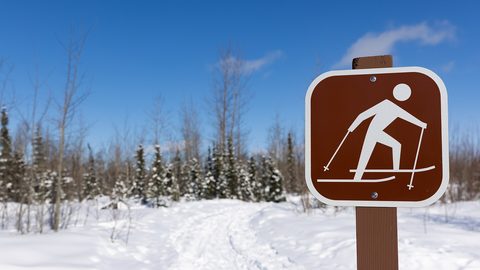 Cross-Country Skiing Kandersteg: Why This Village Is Known for Langlauf
Kandersteg is a cross-country skiing village, not a downhill resort. Its loipe network runs along the valley floor at 1,100m, with reliable snow from late December into March.
Cross-Country Skiing Kandersteg: Why This Village Is Known for Langlauf
Kandersteg is a cross-country skiing village, not a downhill resort. Its loipe network runs along the valley floor at 1,100m, with reliable snow from late December into March.
-
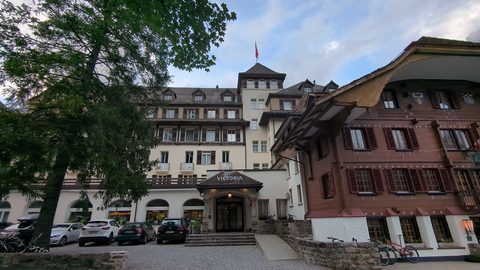
 How a Farming Village Became a Belle Époque Resort in Kandersteg
Kandersteg was a quiet farming hamlet until the Lötschberg railway arrived in 1913 and Belle Époque travellers came seeking mountain air. Here is what remains of that era.
How a Farming Village Became a Belle Époque Resort in Kandersteg
Kandersteg was a quiet farming hamlet until the Lötschberg railway arrived in 1913 and Belle Époque travellers came seeking mountain air. Here is what remains of that era.
Common Questions
Can you walk up to Oeschinensee when the gondola is closed?
Yes, but the trail is steep and takes about 2 hours from the village. In the shoulder months, mid‑April to mid‑June and late October to mid‑December, the path is often wet or partly snow‑covered and the mountain huts at the lake are closed. You can walk up, but you cannot eat or stay at the top, and the return is a long descent on tired legs. If you want the lake, come when the gondola runs.
Do you need a car to reach Gasterntal?
No, but without a car you walk the 3.5‑kilometre toll road up the valley. The walk from Kandersteg village to Selden takes about 1 hour 15 on the paved road. The road is single‑lane with passing places and carries occasional vehicles on the permit system. Walking is quieter and avoids the day fee, but you carry everything you need for the full day because there is no signal and no shop beyond Selden.
Is the Gemmi crossing a day hike or an overnight trip?
It is a one‑way crossing that takes about 4 hours from Sunnbüel to Leukerbad. You can do it in a day if you start early, but returning to Kandersteg the same day requires a 2.5‑hour loop by bus and train from Leukerbad. Many walkers prefer to stay overnight at the Gemmi hut or at a Leukerbad hotel and take the bus back the next morning. The Daubensee at the pass is exposed and wind‑scoured, not a place to linger in bad weather.
What is the real difference between Blausee and Oeschinensee?
Blausee is a small artificial lake with a paid entry, a restaurant and a trout farm. You visit it in 45 minutes. Oeschinensee is a natural alpine lake under sheer cliffs, UNESCO listed, reached by gondola or a long walk, and requires a half‑day minimum. Blausee is for a short stop on the way in or out. Oeschinensee is the main event. Do not confuse them.
How much cash should you carry for a day in the side valleys?
Assume you need roughly CHF 50 to 80 per person for lunch and a drink at the mountain huts. The Berghaus Sunnbüel and the Hotel Gasterntal do not accept cards above 1,500 metres. The Berghotel at the lake may have a terminal but it can fail. Carry enough cash to pay for your meal and a bus fare back if the card does not work. Coins are useful for the PostBus, which does not sell tickets on board.
Read next
-
Oeschinensee
The turquoise Oeschinensee under sheer cliffs is the Kandertal's UNESCO centrepiece—here's how to beat the cable car queue and walk the full circuit safely.
-
Gasterntal
The Gasterntal is a dead-end glacial valley behind Kandersteg with a controlled single-lane road, no phone signal, and a historic timber hotel. Here’s how to get in.
-
Sunnbüel und Gemmipass
The Sunnbüel cable car lifts you from Kandersteg to the start of the Gemmi Pass trail to Leukerbad. The walk is one-way, and the return loop takes planning.
-
Allmenalp
The Allmenalp cable car above Kandersteg serves a via ferrata, a climbing crag, and a paraglider launch. It’s not a general viewpoint, and it shuts in the shoulder seasons.
-
 Kandertal Hotels and Mountain Inns Worth Booking
From the timber rooms of the Waldhaus in the Gasterntal to a dormitory bed at the Oeschinensee mountain hut, here are the Kandertal's real hotel options.
Kandertal Hotels and Mountain Inns Worth Booking
From the timber rooms of the Waldhaus in the Gasterntal to a dormitory bed at the Oeschinensee mountain hut, here are the Kandertal's real hotel options.
-
 Where to Stay in the Kandertal Valley for Hiking and Quiet
Compare the three places to sleep in the Kandertal—Kandersteg village, the Kiental farms, and the high hamlet of Griesalp—and find the right base for your hiking trip.
Where to Stay in the Kandertal Valley for Hiking and Quiet
Compare the three places to sleep in the Kandertal—Kandersteg village, the Kiental farms, and the high hamlet of Griesalp—and find the right base for your hiking trip.
-
 Things to Do in the Kandertal Summer Hiking and Winter Ski Touring
What there is to do in the Kandertal, split between summer hiking and winter ski touring, with the dead shoulder seasons clearly marked so you do not arrive to closed lifts.
Things to Do in the Kandertal Summer Hiking and Winter Ski Touring
What there is to do in the Kandertal, split between summer hiking and winter ski touring, with the dead shoulder seasons clearly marked so you do not arrive to closed lifts.
-
 Best Time to Visit the Kandertal and When to Stay Away
The Kandertal has two real seasons—high summer hiking and late-winter ski touring—and two long shoulder closures when the cable cars and huts simply shut.
Best Time to Visit the Kandertal and When to Stay Away
The Kandertal has two real seasons—high summer hiking and late-winter ski touring—and two long shoulder closures when the cable cars and huts simply shut.
-
 Getting Around the Kandertal Without a Car
The Kandertal runs on PostBuses with early last departures and no taxi backup. Learn the Gasterntal road rules, the SBB app, and why offline maps matter.
Getting Around the Kandertal Without a Car
The Kandertal runs on PostBuses with early last departures and no taxi backup. Learn the Gasterntal road rules, the SBB app, and why offline maps matter.