Oeschinensee or Blausee: Alpine Drama Versus Forest Calm in the Kandertal
Oeschinensee is a high-alpine UNESCO lake reached by cable car with long summer queues. Blausee is a manicured forest lake with a CHF 12 entry fee and a trout restaurant. They are not interchangeable.
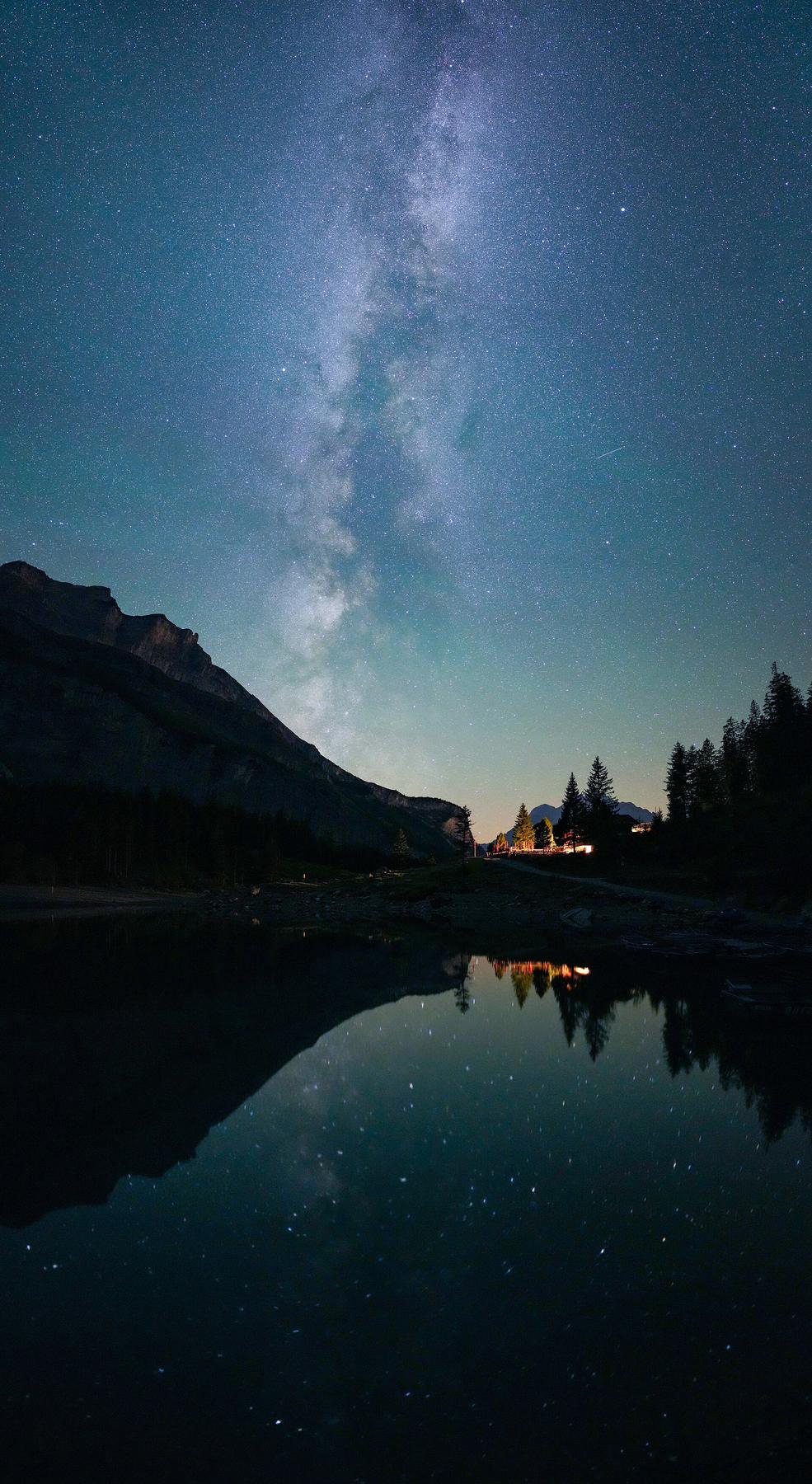

Oeschinensee or Blausee: Alpine Drama Versus Forest Calm in the Kandertal
You cannot do both well on the same morning, and you should not try to make one substitute for the other. Oeschinensee and Blausee sit in the same valley system, the Kandertal. That is where the shared geography ends. Oeschinensee is a high alpine basin at 1,578 m under UNESCO protection, a half-day commitment with a cable car queue that hits 90 minutes in July and a walk of about 20 minutes from the top station before you even see water. Blausee is a manicured forest pond at 887 m with a paid entry fee, flat paved paths and a restaurant open 365 days a year. One costs stamina and time. The other costs cash and accepts any fitness level. Decide which one fits your day before you leave the valley floor.
| Factor | Oeschinensee | Blausee |
|---|---|---|
| Altitude | 1,578 m | 887 m |
| Surface area | 1.1 km² | 0.006 km² (approx. 6,000 m²) |
| Maximum depth | 56 m | 12 m |
| Entry fee (adult, 2026) | None (lake free; gondola around CHF 30 return, set by Luftseilbahn Kandersteg) | Around CHF 12 (set by Blausee AG; check blausee.ch) |
| Getting there from Kandersteg | 10 min walk to gondola, then 20–30 min walk from top station | 10 min by PostBus 230, or drive |
| Walking effort from transport | 20–30 min downhill on wide track to lake shore | Flat, paved, 5 min to lake edge |
| Typical visit duration | 3 to 6 hours | 30 minutes to 1 hour |
| Swimming | Yes (unheated, 14–18 °C) | No (prohibited) |
| Pushchair / wheelchair | No / No | Yes / Yes (accessible paths) |
| Dogs | Permitted on lead | Permitted on lead (small surcharge for dog, set by Blausee AG) |
| UNESCO status | Swiss Alps Jungfrau-Aletsch World Heritage site | None |
| Open 365 days | No (gondola shut mid-April to mid-June, late Oct onward) | Yes |
| Crowd risk | 90 min cable car queue 10:00–14:00 in July–August | Moderate; lot fills but entry is capped by ticket sales |
Why You Go to Oeschinensee and What it Costs in Time
You go to Oeschinensee for scale. The lake sits under sheer cliffs that rise above the water, and the colour, a milky turquoise from glacial silt, is the payoff for the work. The work is real. The gondola base on Oeschistrasse 50 is a 10-minute walk from Kandersteg station. In peak season, July and August, the queue for a cabin exceeds 90 minutes from 10:00. Arrive before 09:00 or after 14:00. The return fare is roughly CHF 30 for an adult and half that for a child aged 6 to 15.99. Half-fare cards and GA travelcards cut the cost by 50%. The operator, Luftseilbahn Kandersteg, Oeschinen AG, publishes the exact schedule and fare each year. Do not trust a third-party site with your departure time.
The Walk From the Top Station
From the top station you walk 20 to 30 minutes downhill on a wide gravel track to the lake shore. That track is the easy part. To see the lake properly you need the circuit, 4.5 km of uneven ground that takes 1 hour 30 minutes to 2 hours. The Heuberg viewpoint adds another 1 hour 15 minutes to 1 hour 45 minutes one way. That puts the total visit at 3 to 6 hours. It is a half day even if you skip the rowboat rental (roughly CHF 15 per half hour at the boathouse, cash only) and the Berghaus Oeschinensee meal of Älplermagronen with apple sauce at 1,678 m.
Seasonal Reality
The gondola runs from mid-May to late October and late December to early March. Outside those windows the lake is inaccessible by cable car. The footpath from Kandersteg station takes 1 hour 30 minutes to 2 hours but that route climbs steeply and is not a casual stroll. The lake freezes in winter but walking on the ice is not permitted. The toboggan run from the top station to Kandersteg, 3.5 km unlit, replaces the summer hike as the winter draw. Swimming is possible in summer. Water temperature sits at 14 to 18 °C. That is cold. Bring a wetsuit or accept a quick dip.
Who Should Skip It
Skip Oeschinensee if you have a pushchair, a wheelchair, a child under six who cannot walk the uneven circuit, or a day with rain in the forecast. The lake is a high alpine basin and the weather closes in fast. If you only have 90 minutes between trains, do not attempt it. The cable car queue alone will eat your window.
Why You Go to Blausee and What it Costs in Cash
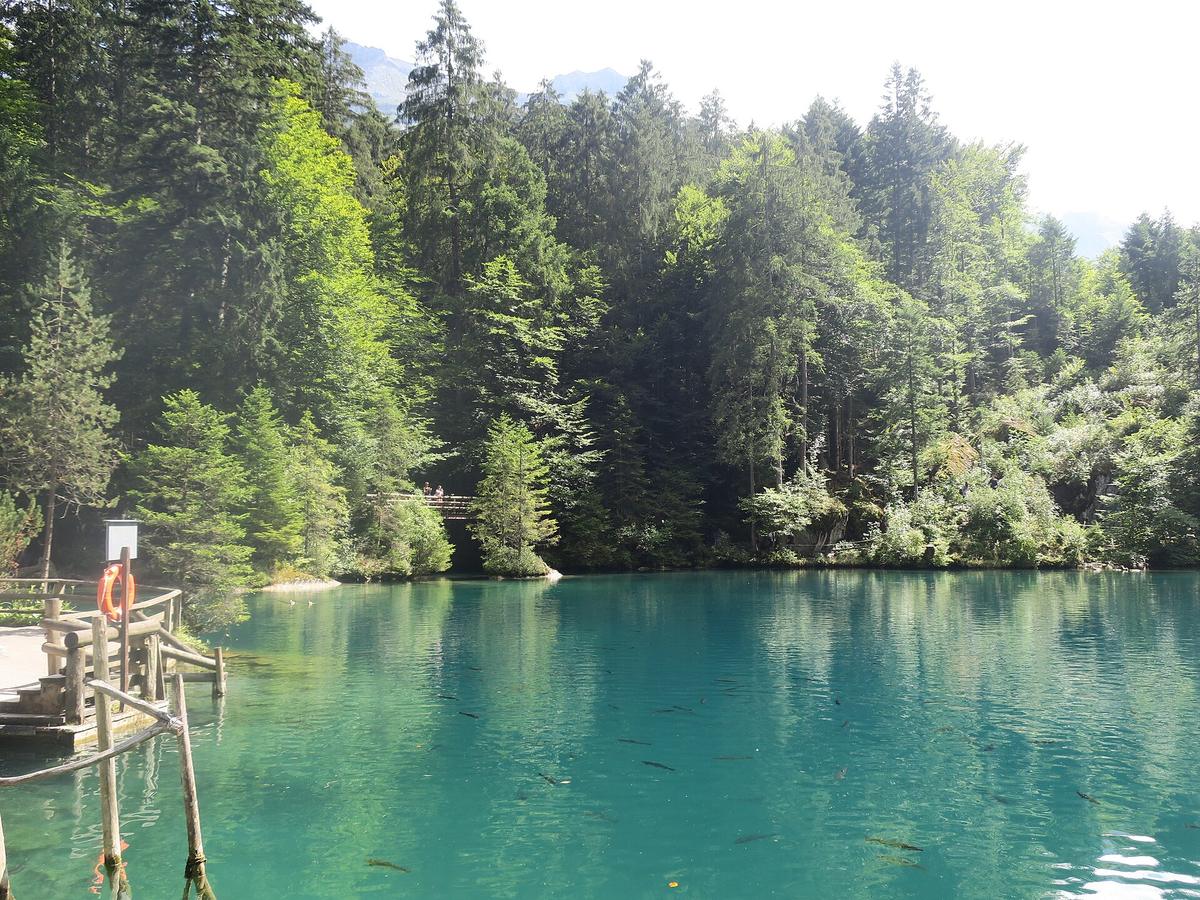
You go to Blausee for access. The lake is a small, crystal-clear forest pond at 887 m, surface area barely 6,000 m², depth 12 m. Blausee AG runs the site and opens 365 days a year: 09:00 to 21:00 in summer, 09:00 to 17:00 in winter. Entry costs roughly CHF 12 for an adult and CHF 6 for a child aged 6 to 15.99. A family ticket for two adults and up to three children runs around CHF 29. Parking adds a small charge, refunded against your entry ticket. Check blausee.ch for the current rates before you set off. The PostBus stop is Blausee BE on route 230, 10 minutes from Kandersteg station. The bus runs year round. No cable car, no altitude sickness, no timing drama.
What You Actually Do There
The visit takes 30 minutes to 1 hour. You walk flat paved paths around the lake edge. You watch the trout in the clear water. You eat fresh organic trout at the Restaurant Blausee, open year round, serving fish raised on site. You do not swim. Swimming is prohibited. You do not rent a rowboat. There is no boat rental. In winter, from November to February, an illuminated trail runs in the evenings. Dogs are allowed on lead for a small surcharge. The site is fully accessible to pushchairs and wheelchairs. That is the entire proposition. It is a managed landscape, not a wilderness. The tradeoff for zero effort is that you are inside a paid enclosure with other visitors who also chose the easy option.
Who Should Skip It
Skip Blausee if you need a wilderness experience, a long hike, or a place that feels untamed. The lake is beautiful but it is a manicured park. The entry fee feels like a toll to some. Pay it for the convenience, not the adventure. If you have a full day and strong legs, Oeschinensee delivers more.
Worth it if
- Oeschinensee is free to enter; you only pay for the gondola (around CHF 30 return, set by Luftseilbahn Kandersteg) or the effort if you walk.
- Oeschinensee offers swimming, rowboat rental, a mountain hut stay at 1,593 m, and a genuine high alpine experience under UNESCO protection.
- Blausee works in any weather, any season, and for any fitness level including wheelchair users and families with pushchairs.
- Blausee requires no advance planning: walk up, pay the entry fee (around CHF 12, set by Blausee AG), walk the flat path, eat trout, leave inside an hour.
- You can combine both in one day: Blausee in the morning (1 hour), Oeschinensee in the afternoon (3–4 hours).
- Oeschinensee winter toboggan run is 3.5 km of unlit descent from the gondola top station.
- Blausee winter illuminated trail runs November to February evenings, an easy night activity.
Skip it if
- Oeschinensee requires stamina: the walk from the gondola to the lake is 20–30 minutes, the circuit is 1.5–2 hours on uneven ground, and the Heuberg viewpoint adds another 1.5 hours one way.
- Oeschinensee gondola queues hit 90 minutes in July–August between 10:00 and 14:00; miss that window or wait.
- Oeschinensee is inaccessible by cable car mid-April to mid-June and late October onward; the footpath is a 1.5–2 hour climb from Kandersteg station.
- Oeschinensee is unsuitable for pushchairs, wheelchairs, and anyone who cannot walk uneven mountain terrain.
- Blausee costs around CHF 12 per adult entry and a small parking charge (refunded with entry), which feels like a fee to see a small pond.
- Blausee prohibits swimming and has no rowboat rental; the visit is passive observation only.
- Blausee is a managed park, not a wilderness; other visitors are always in sight on the paved loop.

One Day or Two: the Kandertal Trap
The most common mistake visitors make in this valley is assuming they can see Oeschinensee, Blausee, the Gasterntal and the Gemmi in two days. The valley is linear but the side branches are dead ends. Each one consumes a full day. You cannot shortcut between them without returning to the valley floor. If you have one day, pick Oeschinensee or Blausee, not both. If you have two days, do Blausee as a 1-hour morning stop on day one, then Oeschinensee as a half-day afternoon. Use day two for the Gasterntal or the Sunnbüel cable car. The valley demands a minimum of three full days because weather closes in fast and you need a buffer for at least one high-altitude objective. That three-day minimum is not a suggestion. It is the difference between a trip you remember and a trip spent on buses.
Which Lake Suits You
Oeschinensee suits hikers who want high alpine trails without the Jungfrau crowds, travellers who will tolerate a cable car queue for a UNESCO-protected basin under sheer cliffs, and anyone with a half day to spend on a proper walk. It does not suit visitors in a rush, anyone with mobility restrictions, families with pushchairs, or travellers who need a guaranteed experience regardless of weather.
Blausee suits families with young children, wheelchair users, anyone passing through the Kandertal on a tight schedule, and visitors who want a calm forest setting with a restaurant and no physical demand. It does not suit anyone looking for wilderness, a long hike, swimming, or a place that feels remote.
Read next
-
 Oeschinensee
The turquoise Oeschinensee under sheer cliffs is the Kandertal's UNESCO centrepiece—here's how to beat the cable car queue and walk the full circuit safely.
Oeschinensee
The turquoise Oeschinensee under sheer cliffs is the Kandertal's UNESCO centrepiece—here's how to beat the cable car queue and walk the full circuit safely.
-
 Gasterntal
The Gasterntal is a dead-end glacial valley behind Kandersteg with a controlled single-lane road, no phone signal, and a historic timber hotel. Here’s how to get in.
Gasterntal
The Gasterntal is a dead-end glacial valley behind Kandersteg with a controlled single-lane road, no phone signal, and a historic timber hotel. Here’s how to get in.
-
 Sunnbüel und Gemmipass
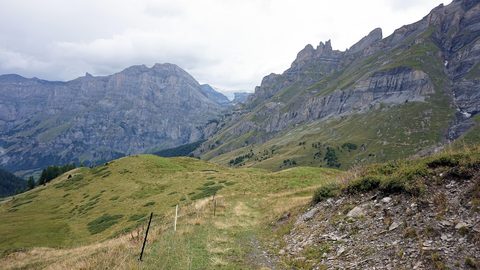
The Sunnbüel cable car lifts you from Kandersteg to the start of the Gemmi Pass trail to Leukerbad. The walk is one-way, and the return loop takes planning.
Sunnbüel und Gemmipass
The Sunnbüel cable car lifts you from Kandersteg to the start of the Gemmi Pass trail to Leukerbad. The walk is one-way, and the return loop takes planning.
-
 Allmenalp
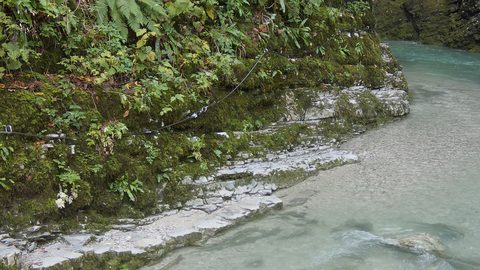
The Allmenalp cable car above Kandersteg serves a via ferrata, a climbing crag, and a paraglider launch. It’s not a general viewpoint, and it shuts in the shoulder seasons.
Allmenalp
The Allmenalp cable car above Kandersteg serves a via ferrata, a climbing crag, and a paraglider launch. It’s not a general viewpoint, and it shuts in the shoulder seasons.
-
 Kandertal Hotels and Mountain Inns Worth Booking
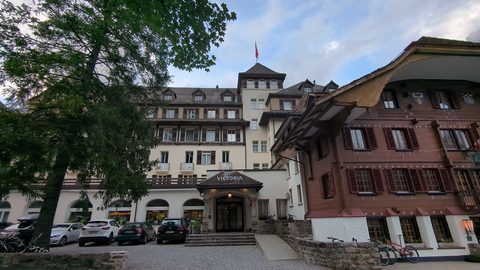
From the timber rooms of the Waldhaus in the Gasterntal to a dormitory bed at the Oeschinensee mountain hut, here are the Kandertal's real hotel options.
Kandertal Hotels and Mountain Inns Worth Booking
From the timber rooms of the Waldhaus in the Gasterntal to a dormitory bed at the Oeschinensee mountain hut, here are the Kandertal's real hotel options.
-
 Where to Stay in the Kandertal Valley for Hiking and Quiet
Compare the three places to sleep in the Kandertal—Kandersteg village, the Kiental farms, and the high hamlet of Griesalp—and find the right base for your hiking trip.
Where to Stay in the Kandertal Valley for Hiking and Quiet
Compare the three places to sleep in the Kandertal—Kandersteg village, the Kiental farms, and the high hamlet of Griesalp—and find the right base for your hiking trip.
-
 Things to Do in the Kandertal Summer Hiking and Winter Ski Touring
What there is to do in the Kandertal, split between summer hiking and winter ski touring, with the dead shoulder seasons clearly marked so you do not arrive to closed lifts.
Things to Do in the Kandertal Summer Hiking and Winter Ski Touring
What there is to do in the Kandertal, split between summer hiking and winter ski touring, with the dead shoulder seasons clearly marked so you do not arrive to closed lifts.
-
 Best Time to Visit the Kandertal and When to Stay Away
The Kandertal has two real seasons—high summer hiking and late-winter ski touring—and two long shoulder closures when the cable cars and huts simply shut.
Best Time to Visit the Kandertal and When to Stay Away
The Kandertal has two real seasons—high summer hiking and late-winter ski touring—and two long shoulder closures when the cable cars and huts simply shut.
-
 Getting Around the Kandertal Without a Car
The Kandertal runs on PostBuses with early last departures and no taxi backup. Learn the Gasterntal road rules, the SBB app, and why offline maps matter.
Getting Around the Kandertal Without a Car
The Kandertal runs on PostBuses with early last departures and no taxi backup. Learn the Gasterntal road rules, the SBB app, and why offline maps matter.