Kandertal Seasons: The Two Good Windows and the Long Closures
The Kandertal has two real seasons—high summer hiking and late-winter ski touring—and two long shoulder closures when the cable cars and huts simply shut.
Kandertal Seasons: the Two Good Windows and the Long Closures
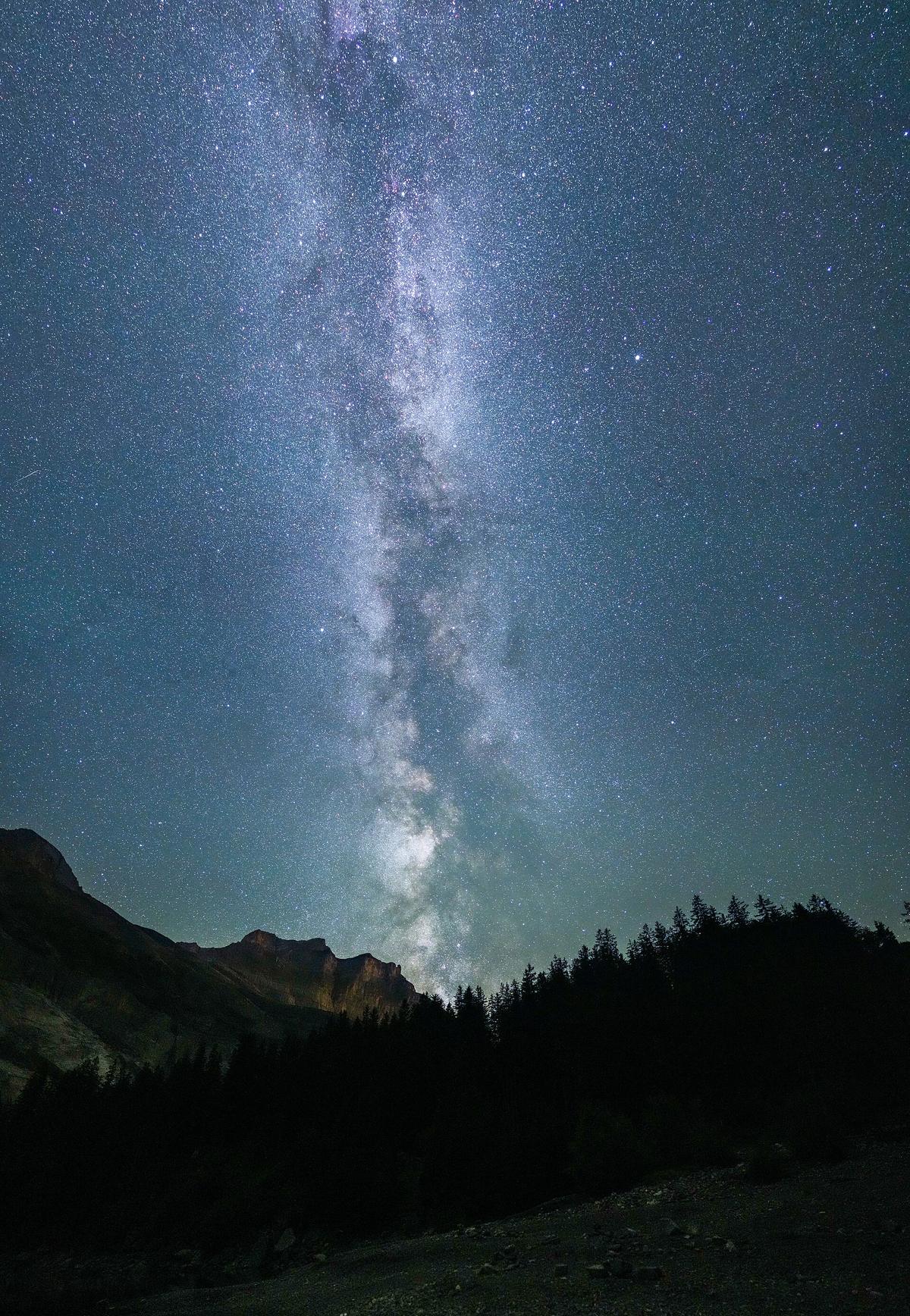
Most visitors assume the Kandertal is a summer destination from June through September. That assumption gets you a locked cable car and a snowed-in trail. The calendar that governs everything here is the closure schedule: mid-April to mid-June and late October to mid-December are dead windows when nearly every cable car stops running, every mountain hut locks its doors, and high trails sit under soft snow or deep valley shadow. You can still walk on the valley floor, but that is a cold, foggy, short-day experience with no access to the terrain that makes this valley worth the trip.
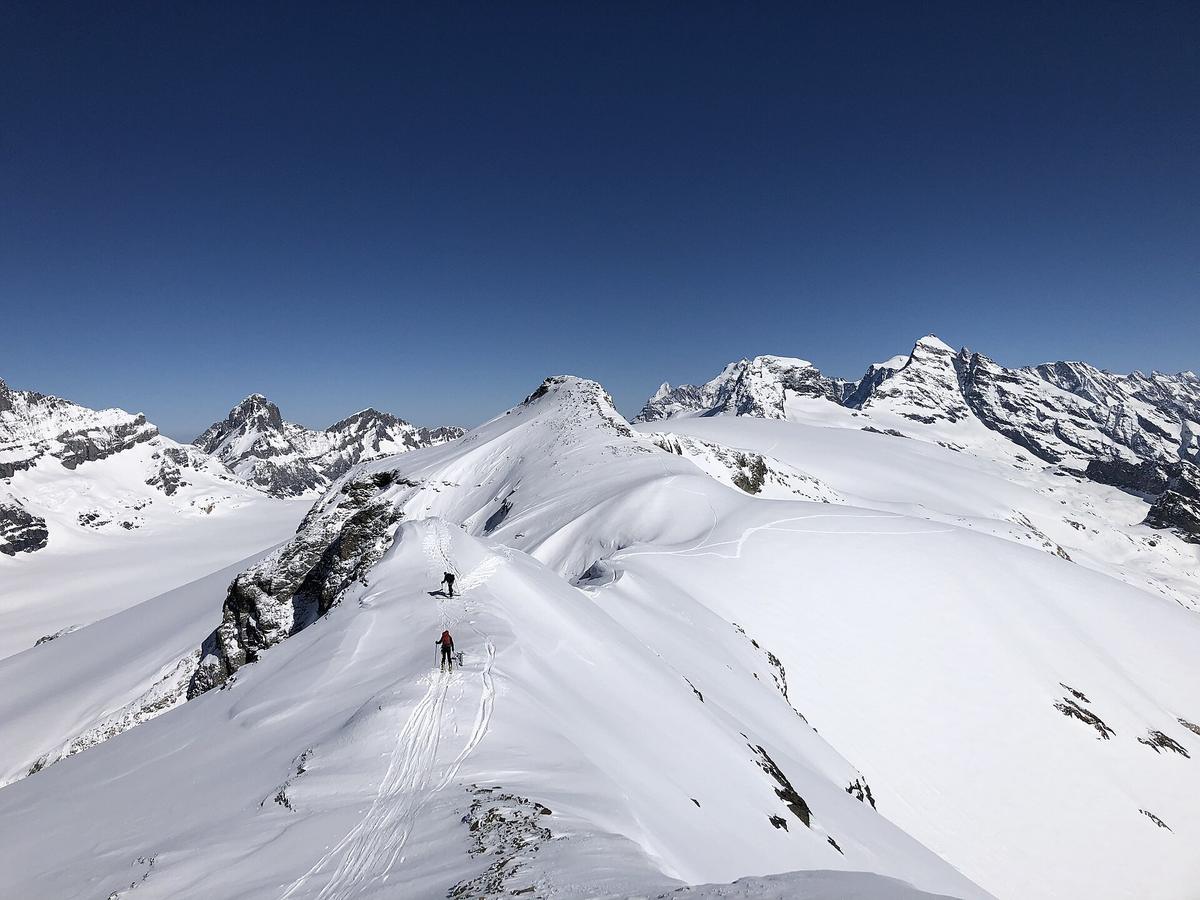
The two usable windows are short and specific. July through August for hiking, when every lift runs and every pass is clear. Late February through early March for ski touring on spring snow, when the sun angle gives you stable crust and the days are long enough for a proper outing. Outside those windows, go somewhere else.

Why the Closures Hit Harder Than You Expect
The Kandertal is not a resort with a year-round gondola. It is a collection of separate cable cars serving side valleys, and each one shuts for weeks between seasons. The Oeschinensee cable car, the Sunnbüel lift, the tiny Allmenalp chair: they all follow the same rhythm. The spring shoulder closure runs from late April to early June. The autumn shoulder closure runs through November. During those windows, you cannot reach the lake by lift. You cannot start the Gemmi crossing from Sunnbüel. You cannot get to Griesalp by bus because the road schedule is cut to a skeleton.
High pass snow clearance compounds the problem. The Gemmi, Sefinenfurgge and Hohtürli passes are clear by July. The earliest they open is late June, and that depends on snowpack. The Swiss Alpine Club and the local tourist office publish official clearance dates each spring. Check those before you book. Arrive in mid-June with a plan to cross the Gemmi and you may find a wall of snow at 2,270 metres.
July and August: the Full-Service Window and Its One Big Problem
July and August are the only months when every cable car, every mountain hut and every high trail is open. Walking season for valley trails runs June through October, but high pass snow is not reliably gone until July. Full-service walking months are July and August only. If you want to sleep at Berghaus Oeschinensee at 1,578 metres, or cross the Gemmi to Leukerbad, or reach the Kanderfirn glacier viewpoint, you come in these two months.
The Cable Car Queue
The single biggest daily problem in summer is the Oeschinensee cable car. From mid-July to mid-August, the queue exceeds 90 minutes from 10:00 onward. That is not an occasional peak. That is the daily reality. Arrive before 09:00 or after 14:00. Show up at 10:30 with children who cannot wait and you have two options: hike the full trail up from Kandersteg, roughly 3.5 hours and 800 metres of ascent, or skip it and walk the Ueschinen valley instead, which has no facilities but also no queue.
Swiss National Day
August 1 is Swiss National Day. The valley puts on a small bonfire and a few fireworks at the lake. It is a minor local event. It does not affect crowds or prices. Do not rearrange your trip for it.
| Period | Cable Cars | Mountain Huts | High Passes | Verdict |
|---|---|---|---|---|
| Late Apr to early Jun | Closed | Closed | Snow-covered | Avoid |
| July to August | Open | Open | Clear | Best for hiking |
| September | Open | Open | Clear | Best for quiet hiking |
| Late Oct to mid-Dec | Closed | Closed | Snow-covered | Avoid |
| Late Feb to early Mar | Limited | Winter rooms only | Snow-covered | Best for ski touring |

September: the Quiet Alternative That Most Visitors Miss
September is the optimal walking month. Trails are still open. Cable cars still run. The queue for the lake drops to 10 minutes. The valley is quieter, the light is lower, and afternoon thunderstorms become rare. The autumn lift closure period starts mid-October, so you have until early October. After that, the window slams shut.
Late October to mid-December is the second dead zone. Nothing operates. The valley sits in deep shade. Valley floor fog sets in from October through February and clears only by late morning. Come in November and you can walk the valley road, but you cannot see the rock walls or the waterfalls. They are in cloud or shadow. Do not come.
Who the Kandertal Suits and Who Should Skip it
The Kandertal suits hikers who want high alpine trails without the Jungfrau crowds. It suits families with young children who need manageable lake walks and cable cars. It suits serious ski tourers who want spring snow and silence. It suits people who specifically want to sleep in a mountain hut above the treeline, and travellers seeking silence rather than a scene.
The Kandertal does not suit nightlife seekers, luxury shoppers, or anyone who wants a car-free village centre with cobbled lanes. It does not suit visitors who expect a large interconnected ski circus with dozens of lifts. The valley is a collection of small, separated pockets, not one continuous resort. The single thing that most often goes wrong is underestimating how long it takes to walk anywhere. The side valleys are steep. The bus schedules are sparse. Each side branch consumes a full day. You cannot see the lake, Blausee, Gasterntal and the Gemmi in two days. Pick one objective per day and accept that you will leave the rest for another trip.
Frequently Asked Questions
Can I visit Oeschinensee in June?
Not by cable car. The lift is closed during the spring shoulder period from late April to early June. Hike up from Kandersteg instead, but budget 3.5 hours up and 3 hours down, and expect snow on the upper section. The lake is usually ice-free by mid-June.
What is the cheapest way to reach the Kandertal from Bern?
The train. From Bern, take the direct connection to Spiez, then change for the Lötschberg line to Kandersteg station. Total journey time is roughly 1 hour 10 minutes. A full-fare single costs on the order of CHF 35 to 40. No airport bus serves the valley directly.
Can I cross the Gemmi and return the same day?
Technically yes, but it is not a quick shuttle. The Sunnbüel to Gemmi to Leukerbad trail is a one-way crossing. Returning the same day requires a taxi or bus from Leukerbad via a 2.5-hour loop. Most people who attempt this miss the last bus from Leukerbad. Budget the full day or sleep in Leukerbad.
Do I need cash in the Kandertal?
Yes. Cash is mandatory at many alp huts and the Griesalp hotel. No card terminals operate above 1,500 metres. The valley has two ATMs in Kandersteg village, one at the railway station and one at the Coop supermarket. Withdraw before you leave Spiez.
What happens if I miss the last bus from Griesalp?
You are stuck. The last bus from Griesalp or Gasterntal can leave as early as 16:30, even in summer. There is no taxi backup. No phone signal. No night bus. Download the SBB timetable before you leave Spiez and set an alarm for the return time.
Read next
-
 Kandertal Hotels and Mountain Inns Worth Booking
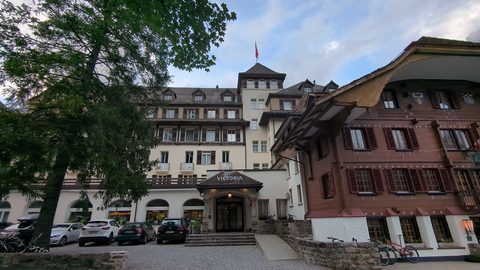
From the timber rooms of the Waldhaus in the Gasterntal to a dormitory bed at the Oeschinensee mountain hut, here are the Kandertal's real hotel options.
Kandertal Hotels and Mountain Inns Worth Booking
From the timber rooms of the Waldhaus in the Gasterntal to a dormitory bed at the Oeschinensee mountain hut, here are the Kandertal's real hotel options.
-
 Where to Stay in the Kandertal Valley for Hiking and Quiet
Compare the three places to sleep in the Kandertal—Kandersteg village, the Kiental farms, and the high hamlet of Griesalp—and find the right base for your hiking trip.
Where to Stay in the Kandertal Valley for Hiking and Quiet
Compare the three places to sleep in the Kandertal—Kandersteg village, the Kiental farms, and the high hamlet of Griesalp—and find the right base for your hiking trip.
-
 Things to Do in the Kandertal Summer Hiking and Winter Ski Touring
What there is to do in the Kandertal, split between summer hiking and winter ski touring, with the dead shoulder seasons clearly marked so you do not arrive to closed lifts.
Things to Do in the Kandertal Summer Hiking and Winter Ski Touring
What there is to do in the Kandertal, split between summer hiking and winter ski touring, with the dead shoulder seasons clearly marked so you do not arrive to closed lifts.
-
 Getting Around the Kandertal Without a Car
The Kandertal runs on PostBuses with early last departures and no taxi backup. Learn the Gasterntal road rules, the SBB app, and why offline maps matter.
Getting Around the Kandertal Without a Car
The Kandertal runs on PostBuses with early last departures and no taxi backup. Learn the Gasterntal road rules, the SBB app, and why offline maps matter.
-
 Kandertal Itineraries for Two Days Four Days or a Week
Plan your Kandertal days around the reality that each side valley takes a full day and you cannot shortcut between them—here are itineraries for two, four and seven days.
Kandertal Itineraries for Two Days Four Days or a Week
Plan your Kandertal days around the reality that each side valley takes a full day and you cannot shortcut between them—here are itineraries for two, four and seven days.
-
 Eating in the Kandertal From Mountain Huts to the Blausee Trout
From Älplermagronen at 1,678m to smoked trout from the Blausee farm, the Kandertal's food is tied to specific places and altitudes—here's where to eat.
Eating in the Kandertal From Mountain Huts to the Blausee Trout
From Älplermagronen at 1,678m to smoked trout from the Blausee farm, the Kandertal's food is tied to specific places and altitudes—here's where to eat.
-
 Kandersteg
 is the head of the Kandertal and the launch point for Oeschinensee, the Gemmi Pass and the Gasterntal. Here is what you reach from it.
Kandersteg
Kandersteg is the head of the Kandertal and the launch point for Oeschinensee, the Gemmi Pass and the Gasterntal. Here is what you reach from it.
-
 Reichenbach im Kandertal
 is the valley mouth where the road splits for Kandersteg or the Kiental. It is a junction, not a destination in itself.
Reichenbach im Kandertal
Reichenbach im Kandertal is the valley mouth where the road splits for Kandersteg or the Kiental. It is a junction, not a destination in itself.
-
 Kandergrund
 is a string of hamlets along the Kandertal road, anchored by the Blausee and overlooked by the Lötschberg railway ramp climbing to the tunnel.
Kandergrund
Kandergrund is a string of hamlets along the Kandertal road, anchored by the Blausee and overlooked by the Lötschberg railway ramp climbing to the tunnel.