Hotels in the Kandertal: What You Get at Each Altitude
From the timber rooms of the Waldhaus in the Gasterntal to a dormitory bed at the Oeschinensee mountain hut, here are the Kandertal's real hotel options.
Hotels in the Kandertal: What You Get at Each Altitude
You are standing at the Kandersteg railway station at 16:00 in July. The cable car to Oeschinensee has a 90-minute queue. The last PostBus to Griesalp left at 15:30. The Waldhaus in the Gasterntal is still two hours of walking away, and you have no cash on you. This valley does not forgive a lack of planning. But it rewards one that works.
The Kandertal is a deep glacial valley in the Bernese Oberland where the drama is in the rock walls and waterfalls, not in après ski or shopping. The scale is intimate but the terrain is serious. Visitors routinely underestimate how long it takes to walk anywhere because the side valleys are steep and the bus schedules are sparse. The accommodation stock reflects that reality: no five-star hotels, no international chains, no Interlaken-style spa resorts. What exists is a set of categories, each with a different altitude, a different access method, and a different set of trade-offs.
This guide catalogues those categories so you book the right one on the first try. The wrong choice means a wasted day walking down from a hut you cannot reach by bus, or paying for a valley hotel when what you actually wanted was a timber inn with no road access.
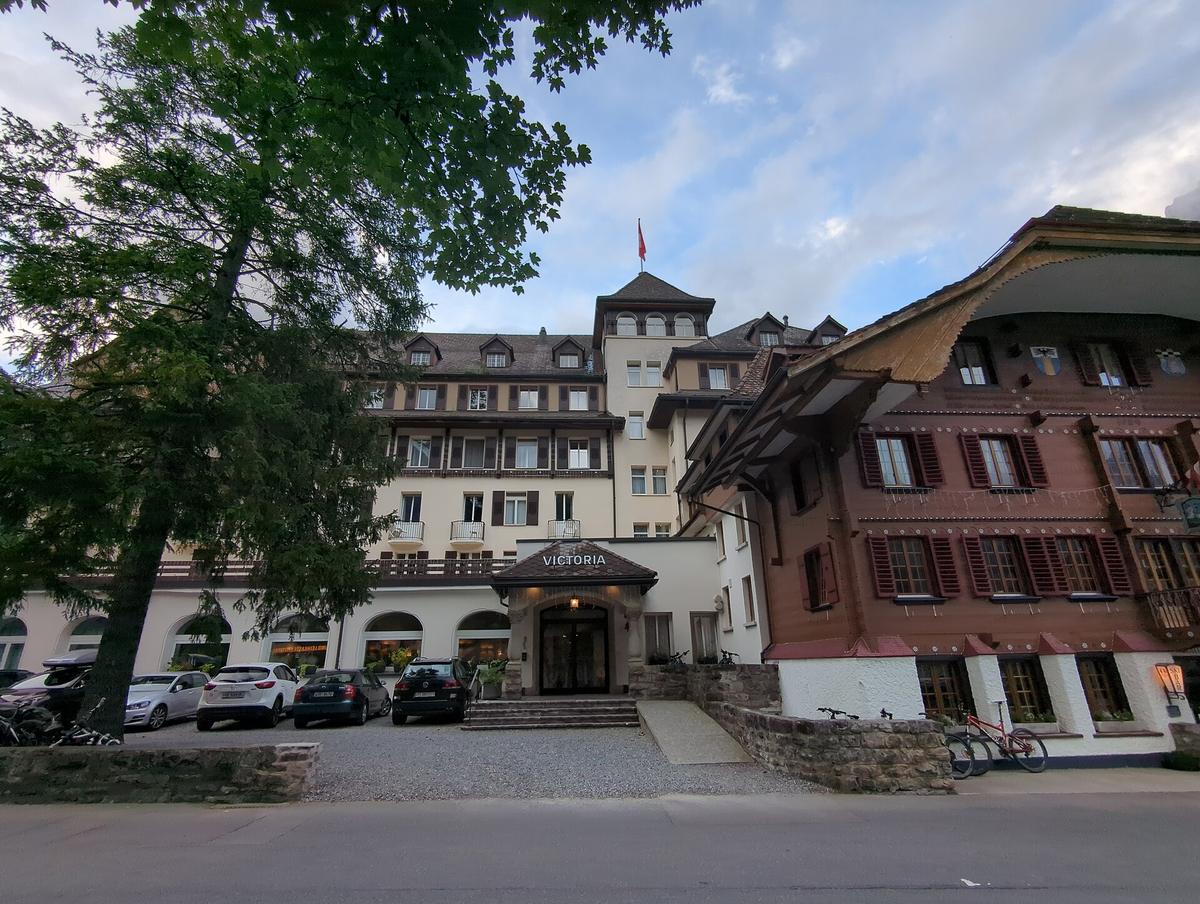

Village Hotels in Kandersteg: the Base Camp
Kandersteg holds roughly 1,200 guest beds. Five of its properties are Belle Époque hotels built between 1890 and 1914, an architecture that signals the valley's early tourism boom before the First World War. These buildings sit along the quiet main street within walking distance of the railway station and two supermarkets.
A double room in a valley hotel in low season without half board runs from about CHF 120 to CHF 180, set by each hotel and confirmed on their own websites. High-season doubles land between CHF 180 and CHF 280. Half board, where offered as a supplement, adds roughly CHF 25 to CHF 50 per person per night. Check the hotel's own page for this year's rates. The value proposition is straightforward: you gain the flexibility to eat in the village, the convenience of a proper bathroom, and the certainty that you can walk to the PostBus stop in five minutes. The trade-off is that you trade altitude for convenience. From the village at roughly 1,200m, every alpine objective requires a cable car ascent or a long walk up a side valley. You are not sleeping at the trailhead.
These hotels suit families with young children who need manageable lake walks and cable car rides. They also suit serious ski tourers who want a warm bed after a day on spring snow. They do not suit anyone who wants silence. The village has a railway station and through trains on the Lötschberg line. The noise is modest, but it is not zero.
Valley Floor Settlements
Reichenbach im Kandertal and Kandergrund, the valley-floor settlements south and north of Kandersteg, hold about 800 and 120 beds respectively. Neither is a tourist base. Reichenbach has a station and a PostBus connection to the Kiental and Griesalp, but no concentration of hotels worth singling out. If you stay there, you are commuting into the upper valley each day.
Historic Timber Inns: Ruedihus and Waldhaus
Two properties in the Kandertal do something no valley hotel can match. They put you inside a piece of the valley's history, at a trailhead that requires deliberate effort to reach.
Ruedihus: The Farmhouse Above the Village
The Ruedihus is an 18th-century wooden farmhouse converted into a small hotel. It sits at the edge of the Arven forest above Kandersteg, a rare stand of ancient stone pines. You walk to it from the village in about 40 minutes, or drive partway if you have a car. The building operates on the same principle as a mountain hut: half board is the default inclusion, not an optional extra. A double room with half board costs roughly CHF 80 to CHF 140 per person. Confirm the exact figure with the house before you book. The trade-off is that you are committed to eating what the house serves, which is honest alpine cooking. There is no village restaurant ten minutes away.
Waldhaus: The Dead End in the Gasterntal
The Waldhaus in the Gasterntal is a 19th-century timber hotel at the dead end of a glacial valley with no phone signal and a single-lane road governed by a controlled-access timetable. The hotel closes from mid-April to mid-June and again from late October to mid-December. These are not arbitrary dates. They correspond to the shoulder season when the road is unsafe and the valley sits in deep shade. If you book outside the open window, you will arrive at a locked building. Private cars need a day permit, priced by the municipality and sold on its official site, and are banned between 10:00 and 16:00 in peak months.
Both properties demand cash. No card terminals operate above 1,500m in the Kandertal, and the Waldhaus sits at roughly 1,400m in a dead zone where Swisscom has zero signal. Bring Swiss francs. Assume you cannot get more once you leave the village.
| Property | Altitude | Access Method | Open Window | Cash Required |
|---|---|---|---|---|
| Berghaus Oeschinensee | 1,678m | Walk in from cable car top station | Late May to late October (cable car dependent) | Yes |
| Berghaus Sunnbüel | 1,930m | Cable car from Kandersteg | Late May to late October (cable car dependent) | Yes |
| Berghaus Griesalp | 1,400m | PostBus route 220 or private car on public road | Late May to late October (bus dependent) | Yes |
| Golderli, Griesalp | 1,400m | Same access as Berghaus Griesalp | Late May to late October (bus dependent) | Yes |
| Naturfreundehaus Gorneren | 1,400m | Same access as Berghaus Griesalp | Late May to late October (bus dependent) | Yes |
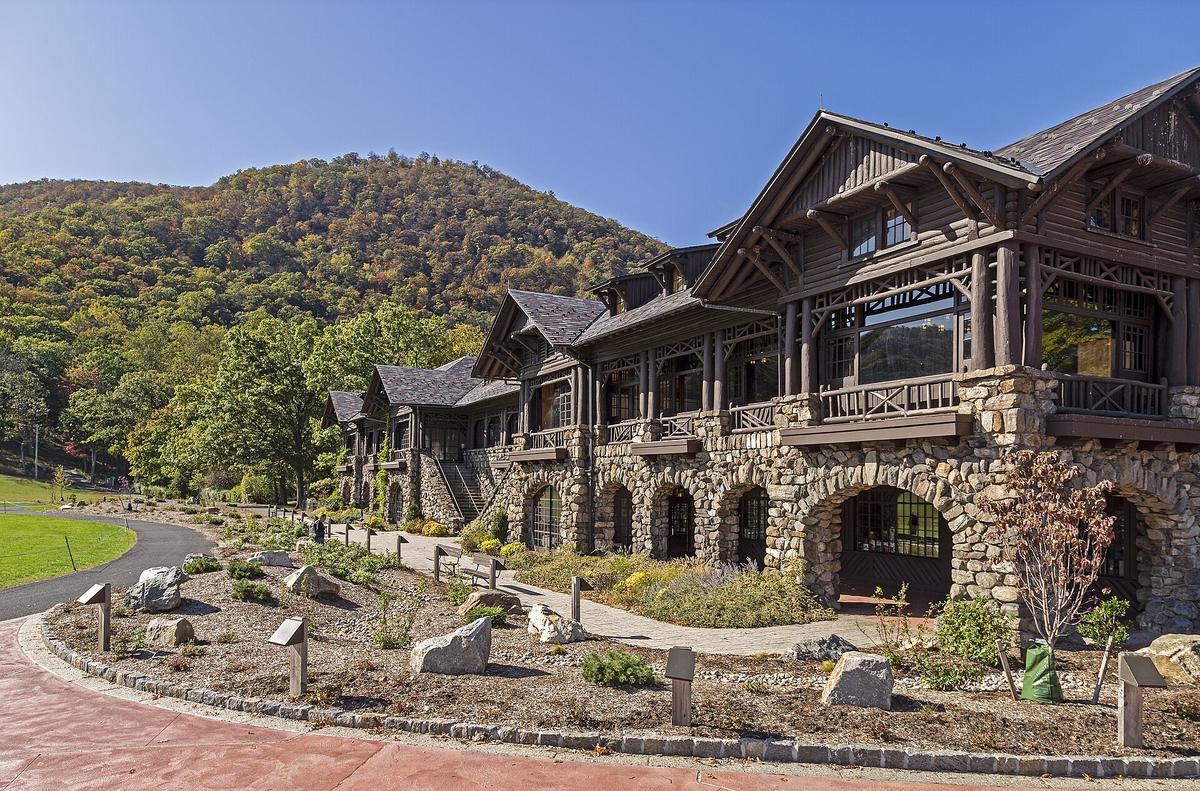

High Altitude Mountain Huts: Above the Treeline
Above 1,500m the Kandertal's accommodation changes character entirely. The properties in the table above are mountain inns with dormitory beds and half board as the default. They are not hotels. A double room at a mountain inn with half board included costs roughly CHF 80 to CHF 140 per person. Each inn sets its own rate; get the current figure from its site. You do not have the option to skip the meal. Half board is the default inclusion, not an optional extra, because there is no other food source at that altitude.
Berghaus Oeschinensee
The Berghaus Oeschinensee sits at 1,678m overlooking the turquoise lake under sheer cliffs. You cannot drive to it. The gondola from Kandersteg runs seasonally, and the last ascent time varies each year. The operator publishes the schedule in spring. Check the current year's timetable before you book. The walk in from the top station is manageable in trainers, but you need to be off the trail before dark. The queue for the cable car in July and August can exceed 90 minutes from 10:00. Arrive before 09:00 or after 14:00.
Berghaus Sunnbüel and the Gemmi Crossing
Berghaus Sunnbüel at 1,930m is the start of the Gemmi crossing to Leukerbad. The cable car last ascent time also varies annually. The Sunnbüel to Gemmi to Leukerbad trail is a one-way crossing. Returning the same day requires a taxi or bus from Leukerbad via a 2.5-hour loop. There is no quick shuttle. If you stay overnight at Sunnbüel, you can cross the Gemmi in the morning and descend to Leukerbad for the thermal baths without the return-journey problem.
The Griesalp Road
The Griesalp properties, Berghaus Griesalp, Golderli, and Naturfreundehaus Gorneren, sit at the end of the steepest PostBus route in Europe, a 28% gradient road. The bus is route 220 from Reichenbach, operating late May to late October. The road is public and open year-round, but winter closures can happen after heavy snowfall. The last bus from the hamlet leaves as early as 16:30 even in summer, and there is no taxi backup. Swisscom has zero signal up there. Download offline maps and the SBB timetable before you leave Spiez.
The trade-off at all these properties is the same: you trade comfort, connectivity, and flexibility for altitude and silence. You sleep above the treeline. You hear nothing except wind and water. You cannot charge a credit card, answer a phone call, or decide at 20:00 that you want a different dinner. That is the point.
Common Questions
Do I need cash for all hotels in the Kandertal?
Not for valley hotels in Kandersteg village. They accept cards. For the mountain inns and the Griesalp hotel, cash is mandatory. No card terminals operate above 1,500m in the Kandertal. Bring Swiss francs from Kandersteg before you ascend.
Which hotels are open in the shoulder season, mid-April to mid-June?
Only the valley hotels in Kandersteg and Reichenbach remain open. The Waldhaus Gasterntal, all Griesalp properties, the Berghaus Oeschinensee, and the Berghaus Sunnbüel close for the shoulder-season break. High trails are still snow-covered or dangerously soft. Do not plan a mountain hut trip in this window.
Can I stay at the Berghaus Oeschinensee without using the cable car?
No. The Berghaus requires a walk in from the cable car top station. The walk itself is short, but the cable car is the only way to reach that altitude. The last ascent time varies each year. Check the current season's schedule before you book.
How far ahead should I book mountain inns?
For July and August, book at least two to three months ahead. The Kandertal has no large resort hotels, so the roughly 1,200 beds in Kandersteg plus the small mountain inn capacity fill well before summer. For the cross-country ski season from late December to mid-March, book by October. For Ascension to Whitsun in May or June, book by March.
Is the Griesalp road accessible by regular car?
Yes, it is a public road open year-round. Winter closures can happen after heavy snowfall. The road is the steepest PostBus route in Europe at a 28% gradient. Drive it in a low gear and be confident with narrow alpine roads. The bus is a better option for most visitors.
Read next
-

 Where to Stay in the Kandertal Valley for Hiking and Quiet
Compare the three places to sleep in the Kandertal—Kandersteg village, the Kiental farms, and the high hamlet of Griesalp—and find the right base for your hiking trip.
Where to Stay in the Kandertal Valley for Hiking and Quiet
Compare the three places to sleep in the Kandertal—Kandersteg village, the Kiental farms, and the high hamlet of Griesalp—and find the right base for your hiking trip.
-
 Things to Do in the Kandertal Summer Hiking and Winter Ski Touring
What there is to do in the Kandertal, split between summer hiking and winter ski touring, with the dead shoulder seasons clearly marked so you do not arrive to closed lifts.
Things to Do in the Kandertal Summer Hiking and Winter Ski Touring
What there is to do in the Kandertal, split between summer hiking and winter ski touring, with the dead shoulder seasons clearly marked so you do not arrive to closed lifts.
-
 Best Time to Visit the Kandertal and When to Stay Away
The Kandertal has two real seasons—high summer hiking and late-winter ski touring—and two long shoulder closures when the cable cars and huts simply shut.
Best Time to Visit the Kandertal and When to Stay Away
The Kandertal has two real seasons—high summer hiking and late-winter ski touring—and two long shoulder closures when the cable cars and huts simply shut.
-
 Getting Around the Kandertal Without a Car
The Kandertal runs on PostBuses with early last departures and no taxi backup. Learn the Gasterntal road rules, the SBB app, and why offline maps matter.
Getting Around the Kandertal Without a Car
The Kandertal runs on PostBuses with early last departures and no taxi backup. Learn the Gasterntal road rules, the SBB app, and why offline maps matter.
-
 Kandertal Itineraries for Two Days Four Days or a Week
Plan your Kandertal days around the reality that each side valley takes a full day and you cannot shortcut between them—here are itineraries for two, four and seven days.
Kandertal Itineraries for Two Days Four Days or a Week
Plan your Kandertal days around the reality that each side valley takes a full day and you cannot shortcut between them—here are itineraries for two, four and seven days.
-
 Eating in the Kandertal From Mountain Huts to the Blausee Trout
From Älplermagronen at 1,678m to smoked trout from the Blausee farm, the Kandertal's food is tied to specific places and altitudes—here's where to eat.
Eating in the Kandertal From Mountain Huts to the Blausee Trout
From Älplermagronen at 1,678m to smoked trout from the Blausee farm, the Kandertal's food is tied to specific places and altitudes—here's where to eat.
-
 Kandersteg
 is the head of the Kandertal and the launch point for Oeschinensee, the Gemmi Pass and the Gasterntal. Here is what you reach from it.
Kandersteg
Kandersteg is the head of the Kandertal and the launch point for Oeschinensee, the Gemmi Pass and the Gasterntal. Here is what you reach from it.
-
 Reichenbach im Kandertal
 is the valley mouth where the road splits for Kandersteg or the Kiental. It is a junction, not a destination in itself.
Reichenbach im Kandertal
Reichenbach im Kandertal is the valley mouth where the road splits for Kandersteg or the Kiental. It is a junction, not a destination in itself.
-
 Kandergrund
 is a string of hamlets along the Kandertal road, anchored by the Blausee and overlooked by the Lötschberg railway ramp climbing to the tunnel.
Kandergrund
Kandergrund is a string of hamlets along the Kandertal road, anchored by the Blausee and overlooked by the Lötschberg railway ramp climbing to the tunnel.