Canton Bern as the Gateway to the Kandertal
Canton Bern contains the Kandertal within the Bernese Oberland. Here is how the valley connects to Bern, Spiez and the Lötschberg railway line.
- Flag
-
- ISO code
- CH
- Currency
- CHF
The Single Fact That Changes Everything About Your Trip to the Kandertal
Spiez is the junction. Your InterCity from Bern or Zurich stops and you get off. Below you, the Lake Thun basin stretches west toward Interlaken. Above you, the valley narrows south. This is not the Jungfrau corridor. Change onto the BLS regional train that climbs the Kandertal to Kandersteg at 1,176 metres, then burrows through the Lötschberg tunnel to Valais. That ride from Spiez to Kandersteg is the transition from the crowded Bernese Oberland tourist belt into a valley built on a different scale. The Kandertal is not one resort. It is a collection of dead-end side valleys branching off a single rail spine. Each side valley costs a full day. You cannot combine them. Plan for that before you book anything.
Where the Kandertal Sits Inside Canton Bern
Canton Bern is Switzerland’s second-largest canton by area, stretching from the Jura mountains in the north to the high Alps in the south. The administrative region that covers this valley is the Oberland. The axis that matters is Bern to Spiez to Kandersteg. The valley runs roughly north-south, from Kandergrund at the lower end up to Kandersteg, then dead-ends at the Gemmi Pass. Three municipalities sit inside this corridor: Kandersteg (population 1,300 in 2023, per the Swiss Federal Statistical Office), Kandergrund (810), and Reichenbach im Kandertal (3,700). The Kiental is part of Reichenbach. None of these are towns. They are clusters of houses along a single road.
.jpg)
Arrival: the Rail Spine and the Junction at Spiez
Fly into Bern Airport (BRN) or Zurich (ZRH). From Bern, take the BLS InterCity to Spiez, 32 kilometres. At Spiez, change to the regional train on the BLS Lötschberg line, timetable field 310. That train runs south to Kandersteg. Total journey time from Bern is roughly 65 to 75 minutes. Full fare is in the CHF 35 to 40 band, set by SBB. From Zurich, the train via Bern takes about 2 hours 15 minutes and costs in the CHF 75 to 80 band. No airport bus serves the valley directly. Book the train on the SBB Mobile app before you arrive. The station at Kandersteg opened in 1913. It is small. You step off the train onto the main street of the village.
Getting Around Once You Arrive
PostBus is the only public transport inside the valley. Drivers do not sell tickets on board. Carry coins or use the SBB Mobile app. The single biggest trap is the last bus from Griesalp or the Gasterntal. Even in summer it can leave as early as 16:30. There is no taxi backup. Download the timetable before you leave Spiez because Swisscom 4G covers the village and Oeschinensee but the Gasterntal and Griesalp have zero signal. Sunrise and Salt networks are patchy even in the village. Download offline maps and the SBB timetable before you leave Spiez.
What the Valley Demands from You
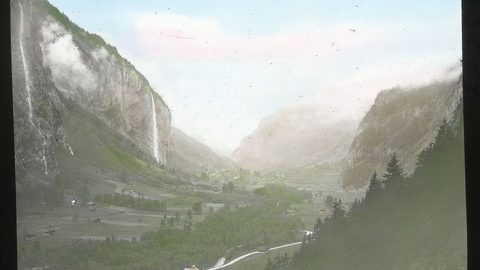
The Kandertal is a deep, quiet glacial valley. The drama is in the rock walls and waterfalls, not in après-ski or shopping. The scale is intimate but the terrain is serious. Visitors regularly underestimate how long it takes to walk anywhere because the side valleys are steep and the bus schedules are sparse. Each side branch is a dead end. You cannot shortcut between them without returning to the valley floor. That means Oeschinensee, the Gasterntal, the Gemmi crossing, and the Kiental each consume a full day. The common mistake is assuming you can see all four in two days. You cannot.
Peak Season and the Window to Avoid
July and August are peak season. All cable cars and mountain huts are open. The high trails are snow-free. Late February to early March works for ski touring on spring snow. Avoid the window from mid-April to mid-June. Most cable cars and huts close for the shoulder-season break. High trails remain snow-covered or dangerously soft. Also skip late October to mid-December. Nothing operates and the valley sits in deep shade. You want a minimum of three full days because the weather closes in fast and you need a buffer to hit at least one high-altitude objective like Oeschinensee or the Gemmi.
What It Costs
The Oeschinensee gondola return fare for an adult sits in the CHF 30 to 32 band. The body that sets the fare is the local lift company. Check their website for the current rate. The Sunnbüel cable car return fare sits in the CHF 28 to 32 band. The Allmenalp cable car return fare sits in the CHF 18 to 22 band. Blausee charges in the CHF 10 to 12 band for adult entry. The entry fee is set by Blausee AG. The Gasterntal road requires a day permit for private cars, in the CHF 15 band, and private vehicles are prohibited from 10:00 to 16:00 in peak months. The permit is issued by the municipality. Cash is mandatory at many alp huts and the Griesalp hotel. No card terminals operate above 1,500 metres.
How to Use the Side Valleys
Oeschinensee sits at 1,578 metres, a turquoise lake under sheer cliffs. It is part of the Swiss Alps Jungfrau-Aletsch UNESCO World Heritage site, inscribed in 2007. The lake covers 1.1 square kilometres and reaches 56 metres deep. The cable car queue in July and August can exceed 90 minutes from 10:00. Arrive before 09:00 or after 14:00. From the top station, the walk to the lake is 3 kilometres. The Berghaus am Oeschinensee serves Älplermagronen with apple sauce at 1,678 metres. That is worth the trip alone.
The Gasterntal
The Gasterntal is a dead-end glacial valley. No phone signal. Raw terrain. Access is by a single-lane road with a controlled timetable. Private cars need a day permit and are banned 10:00 to 16:00 in peak months. The road runs 8 kilometres from the village to Selden. The suspension bridge is a wobbly wire crossing over the glacial river. The Waldhaus is an isolated 19th-century timber hotel. The Inneri Rutti farm is the last working alp before the valley narrows. Dried air-dried beef is sold from the farm at Heimritz. Budget a full day. The last bus leaves early.
The Gemmi Crossing
The Gemmi Pass summit is 2,270 metres. The historic mule track from Sunnbüel to Leukerbad is 16 kilometres one way. Open approximately June to October depending on snow. The Sunnbüel cable car upper station is at 1,934 metres. From there, the crossing takes about 4 hours to Leukerbad. Returning the same day requires a taxi or bus from Leukerbad via a 2.5-hour loop. This is not a quick shuttle. The Daubensee on the Gemmi is bleak and wind-scoured. The view to Valais peaks is the payoff. The Sunnbüel mountain station serves rösti with melted Raclette du Valais.
The Kiental and Griesalp
The Kiental is a deeply forested side valley with farms and the Griesalp road start. The road from the valley floor to Griesalp is 22 kilometres and takes 45 to 55 minutes. The Griesalp road has a maximum gradient of 28 percent. It is the steepest public postbus route in Switzerland. The postbus journey from Kiental to Griesalp takes 35 minutes. Griesalp is a hamlet at the end of the road, a brutal access point, and a high-altitude trailhead. The hotel there serves wild berry tart with cream, berries foraged on the alp. No phone signal. Cash only.
| Side Valley | Access Time From Kandersteg | Key Feature | Return Bus Deadline |
|---|---|---|---|
| Oeschinensee | 3 km walk from gondola top station | Turquoise lake under cliffs, UNESCO site | Last gondola down 17:00 |
| Gasterntal | 8 km road to Selden | Dead-end glacial valley, no signal | Bus leaves as early as 16:30 |
| Sunnbüel and Gemmi | Cable car 4 minutes | One-way crossing to Leukerbad, 16 km | Bus from Leukerbad via 2.5-hour loop |
| Kiental and Griesalp | 15 km road, 20-25 minutes to Kiental | Steepest bus route in Switzerland | Bus leaves Griesalp by 16:30 |
| Blausee | 4 km walk | Small forest lake, paid entry | Open until 18:00, walk back anytime |

Where to Eat and What to Drink
The Berghaus am Oeschinensee serves Älplermagronen with apple sauce at 1,678 metres. That is the classic Swiss alpine pasta dish and the setting is the reason to order it. The Blausee lake restaurant serves fresh trout from the organic farm on site. The Sunnbüel mountain station does rösti with melted Raclette du Valais. The Griesalp hotel serves wild berry tart with cream, berries foraged on the alp. Kandersteger Bier is brewed in the village. Two styles: unfiltered lager and wheat beer. Dried air-dried beef comes from the farm at Heimritz. Cash is mandatory at the Griesalp hotel and all alp huts. No cards above 1,500 metres.
Day Trips Beyond the Valley
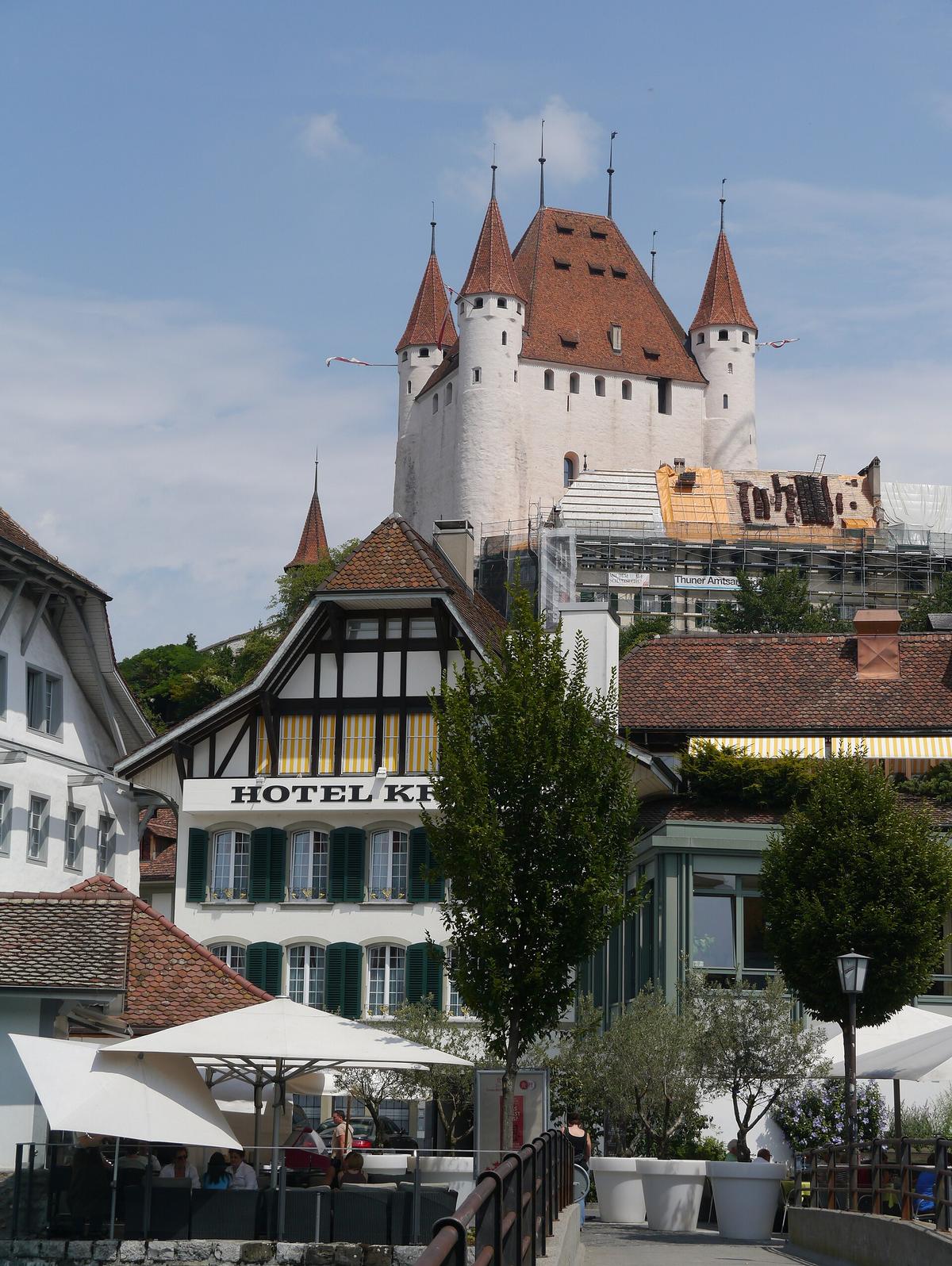
Thun is 40 minutes by train from the village. Lakefront old town, castle, no car needed. Bern is 1 hour 10 minutes by direct train. UNESCO old town. Leukerbad thermal baths: walk the Gemmi for 4 hours, then bus down. Or drive 1 hour 15 minutes via the Lötschberg car shuttle. The Lötschental is 25 minutes by car shuttle train to Goppenstein, then bus into the valley. Deep traditional Valais, completely different character from the Kandertal. Spiez castle and vineyard is 25 minutes by train. Lakeside castle on Lake Thun. These trips work as a single day from the base. They do not require an overnight.
Worth it if
- High-alpine trails without the Jungfrau crowds
- Manageable lake walks and cable cars for families with young children
- Serious ski touring terrain in late winter
- Opportunity to sleep in mountain huts above the treeline
- Silence and absence of commercial scene
Skip it if
- No nightlife, no luxury shopping, no car-free cobbled village centre
- No large interconnected ski circus with dozens of lifts
- Valley is a collection of small pockets, not one continuous resort
- Bus schedules are sparse and stop early, no taxi backup
- Cash is mandatory above 1,500 metres and many alpine huts
Places in Bern
Common Questions
How do I get from the airport to the Kandertal without a car?
Fly into Bern or Zurich. From Bern, take the BLS InterCity to Spiez. Change at Spiez to the regional train on the Lötschberg line to Kandersteg. Total from Bern is roughly 65 to 75 minutes, full fare in the CHF 35 to 40 band set by SBB. From Zurich, the train via Bern takes about 2 hours 15 minutes, fare in the CHF 75 to 80 band. No airport bus serves the valley directly. Book the train on the SBB Mobile app before you arrive.
Should I buy the Oeschinensee cable car ticket in advance?
Buy it at the base station when you arrive. The queue to buy tickets is separate from the queue to board the gondola. The gondola queue from 10:00 to 14:00 in July and August can exceed 90 minutes. Arrive before 09:00 or after 14:00 to avoid it. The adult return fare sits in the CHF 30 to 32 band. Check the local lift company website for the rate in force.
Can I drive into the Gasterntal?
Yes, with a day permit in the CHF 15 band, issued by the municipality. Private vehicles are prohibited from 10:00 to 16:00 in peak months, and the road is single-lane with a controlled timetable. The road runs 8 kilometres from the village to Selden. The last bus back can leave as early as 16:30. There is no taxi backup. If you drive, you control your schedule but you must respect the access restriction.
What happens if the weather closes in?
The weather in the Kandertal closes in fast, especially above 1,500 metres. You need a minimum of three full days to have a buffer for at least one high-altitude objective like Oeschinensee or the Gemmi. If the cloud base drops below the lake, skip the altitude. Walk the valley floor. Visit Blausee (entry in the CHF 10 to 12 band, 4 km walk from the village). Eat at the Berghaus am Oeschinensee anyway. Do not push a high trail in low visibility or wet rock.
Is Blausee worth the entry fee?
Blausee is a small forest lake, 0.006 square kilometres, at 887 metres elevation. The water is crystal clear. The site is manicured: a restaurant, a trout farm, and a path around the lake. The entry fee sits in the CHF 10 to 12 band. It is worth it as a low-effort stop, especially with young children or in bad weather. It is not worth a dedicated trip from a distance. Combine it with a walk through the Arven forest above the village, the ancient stone pine stand that is rare in the Alps.
Read next
-
 Kandertal
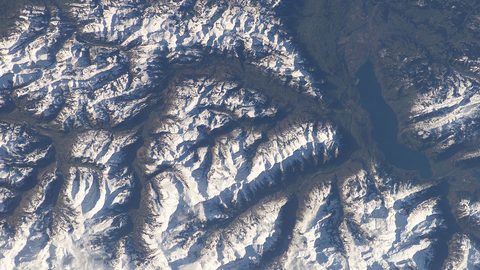
The Kandertal is a quiet glacial valley in the Bernese Oberland where the drama is in the rock walls and waterfalls, not in après-ski or shopping. Here is what you actually get.
Kandertal
The Kandertal is a quiet glacial valley in the Bernese Oberland where the drama is in the rock walls and waterfalls, not in après-ski or shopping. Here is what you actually get.
-
 Switzerland Travel Basics for the Bernese Oberland Trip
Switzerland works differently from what many first-time visitors expect. Here are the transport, trail and accommodation basics you will need for the Bernese Oberland.
Switzerland Travel Basics for the Bernese Oberland Trip
Switzerland works differently from what many first-time visitors expect. Here are the transport, trail and accommodation basics you will need for the Bernese Oberland.