Visiting the Kandertal Without a Car: PostBus Realities and Dead-End Valleys
You can visit the Kandertal without a car, but sparse PostBus timetables, dead-end valleys and the last bus leaving at 16:30 demand more planning than in better-connected Swiss resorts.

Visiting the Kandertal Without a Car: PostBus Realities and Dead-End Valleys
You are standing at Kandersteg station, the last real stop before the Lötschberg tunnel punches through to the Valais. The Oeschinensee gondola base is a five-minute walk. The Sunnbüel cable car is another five. You have no car. The question is whether that matters. The honest answer: you can do this valley without one, but it demands more discipline than Interlaken or Zermatt. The side valleys are dead ends with sparse PostBus timetables and no taxi backup. Get it right and the valley is yours. Get it wrong and you are stuck at 1,400 metres watching the last bus disappear.
The Arrival: Train Only, No Airport Bus
Fly into Bern (BRN) or Zurich (ZRH). From Bern it is one change at Spiez, then the Lötschberg line to the station. Total time 1 hour 10 minutes. Expect to pay roughly CHF 35 to CHF 40 for a full-fare single; check sbb.ch for the exact price on your date. From Zurich via Bern or Spiez, 2 hours 15 minutes, in the CHF 75 to CHF 80 band. Geneva adds 2 hours 45 minutes. No airport bus serves the valley directly.
The train runs hourly on the Lötschberg line, with extras at peak times. The BLS trains have luggage racks and an onboard cafe car. Get off at Kandersteg, not Reichenbach im Kandertal or Kandergrund. Those stops are residential, not tourist bases. Kandersteg puts you at 1,176 metres, walking distance to all three cable cars and the PostBus stops.
PostBus Rules That Break Your Day
Routes and Schedules
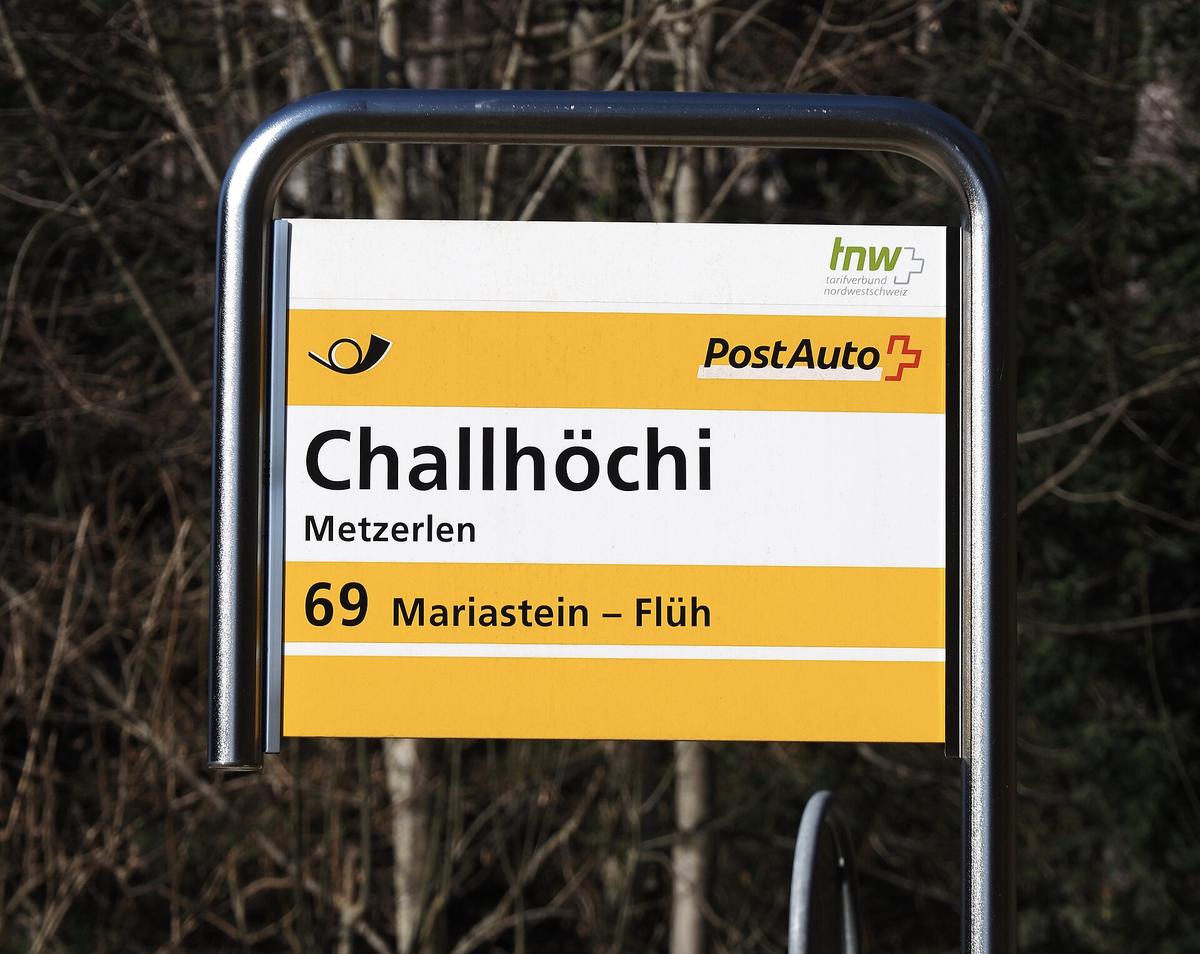
The PostBus is the only public transport in the side valleys. Route 220 runs the Kiental to Griesalp road. It operates year round, but winter service is reduced. The Gasterntal bus runs summer only, typically June to October, and the schedule changes annually. Check the timetable published by BLS and PostAuto before you book.
Tickets and Passes
Drivers do not sell tickets on board. You need coins or the SBB Mobile app. The Libero tariff network applies, so buy a zone ticket or use a Swiss Travel Pass. The Swiss Travel Pass is valid on trains, PostAuto, and some cable cars, but verify each lift individually. The Oeschinen gondola and the Sunnbüel cable car accept it. The Allmenalp cable car may not. Confirm at the tourist office before buying a pass.
Offline Preparation
Download the offline SBB timetable before you leave Spiez. Mobile signal vanishes in the Gasterntal and on the Griesalp. Swisscom has 4G in the village and at the lake. The Gasterntal and Griesalp have zero signal. Sunrise and Salt are patchy even on the valley floor. Without offline maps and timetables, you cannot check a return time when you are at the trailhead.
The Last Bus Problem and What it Costs You
The single biggest friction point: the last bus from Griesalp or the Gasterntal can leave as early as 16:30, even in July and August. There is no taxi backup. No Uber. No shuttle. If you miss that bus, you walk out on a single-lane road with no footpath. The Gasterntal road is 8 kilometres from the valley mouth to the Waldhaus hotel. The Griesalp road is steeper and longer. Walking it adds two to three hours to your day.
The Gasterntal private vehicle restriction compounds the problem. Non-residents are banned from driving into the valley during peak hours, 10:00 to 16:00, in summer. If you had a car you would still need a day permit (set by the municipality; check the official site for the current fee) and could only use it outside those hours. The bus is the only reliable option, and it runs to a schedule set for farm supply, not tourism.
Plan every side valley day around that last bus time. Arrive at the Gasterntal trailhead by 09:00. Start the Griesalp hike by 08:30. If you are doing the Gemmi crossing from Sunnbüel to Leukerbad, the return problem is different: it is a one-way crossing that requires a 2.5-hour loop by taxi or bus from Leukerbad back to the start. Do not attempt it as a day trip unless you begin the crossing by 07:00.
Side Valleys as Full Day Commitments
The Kandertal is linear but the side branches are dead ends. Each one consumes a full day and you cannot shortcut between them without returning to the valley floor. A common mistake is assuming you can see the lake, Blausee, the Gasterntal and the Gemmi in two days. You cannot. The valley requires three full days minimum because the weather closes in fast and you need a buffer to hit at least one high-altitude objective.
Here is the realistic breakdown of each side valley as a day trip:
- Oeschinensee: Walk from the station to the gondola base, 5 minutes. Ride to the top at 1,578 metres. The queue in July and August can exceed 90 minutes from 10:00. Arrive before 09:00 or after 14:00. The lake trail is easy, the panorama trail to the hut is moderate. Full day with return.
- Sunnbüel and the Gemmi: Cable car to 1,934 metres. The terrace faces the Doldenhorn massif. From here the Gemmi crossing to Leukerbad is 4 hours one way. If you return the same day, factor in the 2.5-hour bus loop from Leukerbad via Frutigen. Doable but punishing.
- Gasterntal: PostBus from the village to the valley head, then walk to the suspension bridge and the old Waldhaus hotel. Zero signal. No facilities beyond the hotel. The road closes to private cars all afternoon. This is a day that ends when the bus leaves, not when you are tired.
- Griesalp: PostBus route 220 up the steepest PostBus road in Europe, 28 percent gradient. Elevation 1,408 metres. Trailhead for high alpine routes. The last bus back is early. Check it before you start walking.
When to Come and When to Stay Home
Peak season is July and August, when all cable cars and mountain huts are open and the high trails are snow-free. Late February to early March works for ski touring on spring snow. Avoid mid-April to mid-June, when most cable cars and huts close for the shoulder-season break and high trails are still snow-covered or dangerously soft. Also avoid late October to mid-December, when nothing operates and the valley sits in deep shade.
The Griesalp PostBus runs year round but with reduced winter service. The Gasterntal bus runs summer only. The Oeschinen gondola closes in shoulder season. The Sunnbüel cable car closes too. If you arrive in May or November, you are limited to valley-floor walks and the Blausee paid-entry lake. That is a very quiet trip.
Closure note: The Gasterntal bus runs summer only, typically June to October. The Griesalp PostBus runs year round but with reduced winter service. The Oeschinensee gondola and the Sunnbüel cable car both close during the shoulder season. If you arrive in May or November, you are limited to valley-floor walks and Blausee. Check the BLS and PostAuto timetable for the current operating dates before you book.
Point to Point Walks Work Better Without a Car
One advantage of relying on public transport: point-to-point walks. With a car you have to walk back to where you parked. With trains and PostBuses you can start at one station, walk across a ridge, and finish at another. The classic example is the Gemmi crossing: start at the Sunnbüel cable car, walk to Leukerbad, and take the bus back via Frutigen. With a car you would need to shuttle both ends. Without one, it is one ticket.
The downside: the return loop from Leukerbad takes 2.5 hours. That is the trade-off. You save the car shuttle but you spend time on the bus. The net benefit depends on whether you value walking a straight line over sitting in a vehicle.
Cash and Luggage: Two Practical Traps
Cash Above 1,500 Metres
Cash is mandatory at many alp huts and the Griesalp hotel. No card terminals above 1,500 metres. The Berghaus Oeschinensee accepts cards but the small huts on the Gemmi and in the Gasterntal do not. Carry small notes; the amount you need depends on your planned stops. The Blausee restaurant and the village supermarkets take cards, but the mountain huts do not.
Luggage Transport
SBB offers a luggage service to Kandersteg station. You can send bags from any Swiss station and collect them at the luggage office. Verify the service is operating before you travel because SBB changes coverage annually. Do not rely on it for same-day delivery. Send bags a day ahead.
What Most Often Goes Wrong
The single thing that most often goes wrong here: assuming you can see Oeschinensee, Blausee, the Gasterntal and the Gemmi in two days. You cannot. The valley is linear but the side branches are dead ends. Each one consumes a full day. You cannot shortcut between them without returning to the valley floor. That is the friction that makes this area harder than the Swiss average. Respect the bus times, carry cash, download maps, and plan one side valley per day. The valley will reward you with silence and serious terrain. It will not forgive a missed connection.
Read next
-
 Kandertal Hotels and Mountain Inns Worth Booking
From the timber rooms of the Waldhaus in the Gasterntal to a dormitory bed at the Oeschinensee mountain hut, here are the Kandertal's real hotel options.
Kandertal Hotels and Mountain Inns Worth Booking
From the timber rooms of the Waldhaus in the Gasterntal to a dormitory bed at the Oeschinensee mountain hut, here are the Kandertal's real hotel options.
-
 Where to Stay in the Kandertal Valley for Hiking and Quiet
Compare the three places to sleep in the Kandertal—Kandersteg village, the Kiental farms, and the high hamlet of Griesalp—and find the right base for your hiking trip.
Where to Stay in the Kandertal Valley for Hiking and Quiet
Compare the three places to sleep in the Kandertal—Kandersteg village, the Kiental farms, and the high hamlet of Griesalp—and find the right base for your hiking trip.
-
 Things to Do in the Kandertal Summer Hiking and Winter Ski Touring
What there is to do in the Kandertal, split between summer hiking and winter ski touring, with the dead shoulder seasons clearly marked so you do not arrive to closed lifts.
Things to Do in the Kandertal Summer Hiking and Winter Ski Touring
What there is to do in the Kandertal, split between summer hiking and winter ski touring, with the dead shoulder seasons clearly marked so you do not arrive to closed lifts.
-
 Best Time to Visit the Kandertal and When to Stay Away
The Kandertal has two real seasons—high summer hiking and late-winter ski touring—and two long shoulder closures when the cable cars and huts simply shut.
Best Time to Visit the Kandertal and When to Stay Away
The Kandertal has two real seasons—high summer hiking and late-winter ski touring—and two long shoulder closures when the cable cars and huts simply shut.
-
 Getting Around the Kandertal Without a Car
The Kandertal runs on PostBuses with early last departures and no taxi backup. Learn the Gasterntal road rules, the SBB app, and why offline maps matter.
Getting Around the Kandertal Without a Car
The Kandertal runs on PostBuses with early last departures and no taxi backup. Learn the Gasterntal road rules, the SBB app, and why offline maps matter.
-
 Kandertal Itineraries for Two Days Four Days or a Week
Plan your Kandertal days around the reality that each side valley takes a full day and you cannot shortcut between them—here are itineraries for two, four and seven days.
Kandertal Itineraries for Two Days Four Days or a Week
Plan your Kandertal days around the reality that each side valley takes a full day and you cannot shortcut between them—here are itineraries for two, four and seven days.
-
 Kandersteg
 is the head of the Kandertal and the launch point for Oeschinensee, the Gemmi Pass and the Gasterntal. Here is what you reach from it.
Kandersteg
Kandersteg is the head of the Kandertal and the launch point for Oeschinensee, the Gemmi Pass and the Gasterntal. Here is what you reach from it.
-
 Reichenbach im Kandertal
 is the valley mouth where the road splits for Kandersteg or the Kiental. It is a junction, not a destination in itself.
Reichenbach im Kandertal
Reichenbach im Kandertal is the valley mouth where the road splits for Kandersteg or the Kiental. It is a junction, not a destination in itself.
-
 Kandergrund
 is a string of hamlets along the Kandertal road, anchored by the Blausee and overlooked by the Lötschberg railway ramp climbing to the tunnel.
Kandergrund
Kandergrund is a string of hamlets along the Kandertal road, anchored by the Blausee and overlooked by the Lötschberg railway ramp climbing to the tunnel.